October 27, 2026
Managing a commercial property requires balancing energy consumption, indoor comfort, equipment performance, and daily operational demands. Heating and cooling systems play a significant role in each of these areas, making effective HVAC management essential for businesses that want to control costs and maintain productive work environments. Without coordinated controls, facility managers may struggle to identify inefficiencies, respond to changing occupancy levels, and keep different areas comfortable.
Commercial building automation helps simplify these responsibilities by connecting HVAC controls, monitoring functions, and operating schedules into a coordinated management system. With the right setup, businesses can improve energy efficiency, reduce unnecessary maintenance expenses, and create more consistent indoor conditions. Understanding how these systems work can help property owners make informed decisions about improving building performance.
Improve Energy Management and Operating Efficiency
Coordinate Heating and Cooling Operations
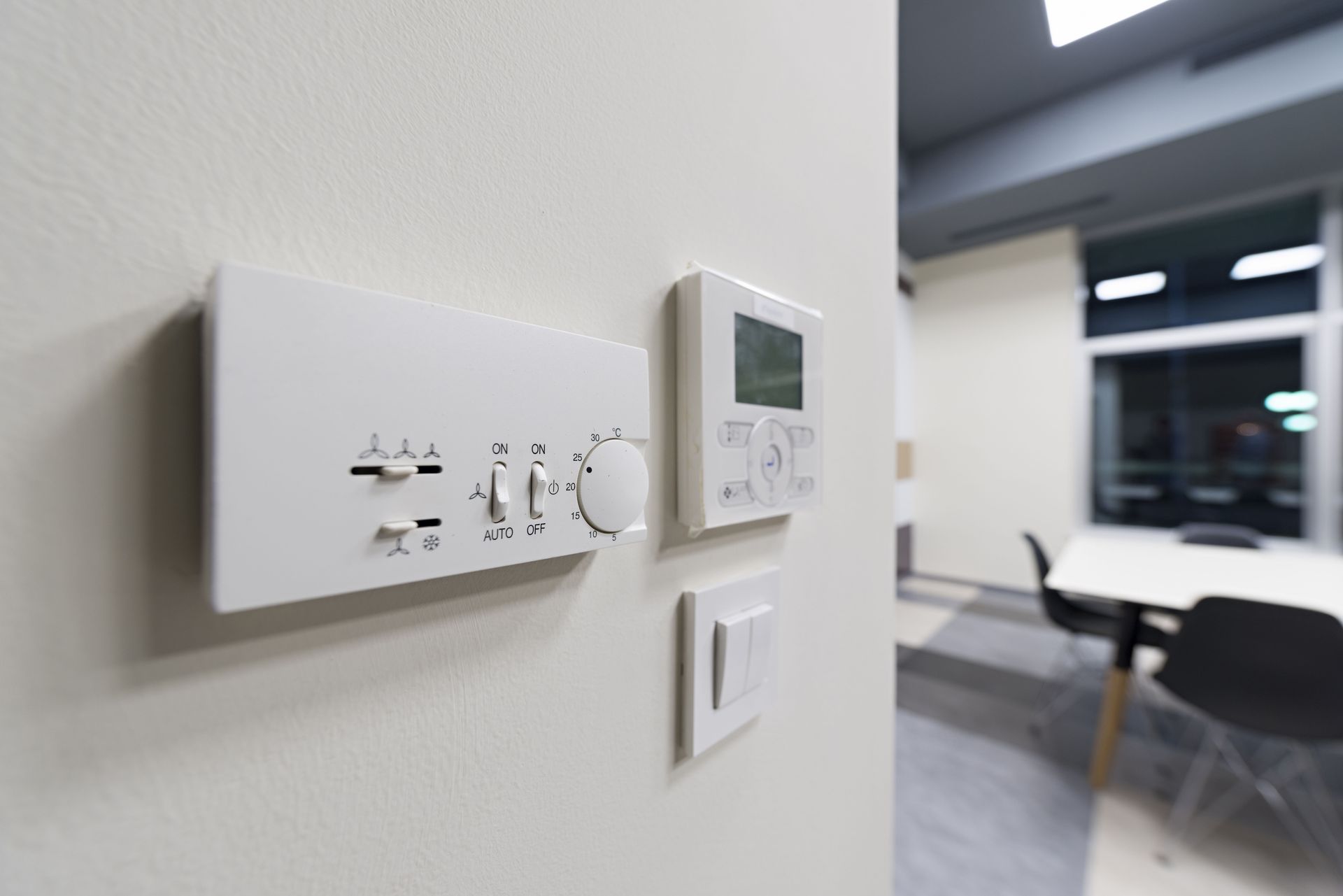
Commercial properties often contain multiple HVAC components that must work together to maintain suitable indoor conditions. Commercial building automation allows facility managers to coordinate heating, ventilation, and air conditioning functions through centralized controls. Instead of adjusting individual systems separately, managers can establish operating schedules, modify temperature settings, and monitor equipment performance from a unified interface.
This coordinated approach helps prevent equipment from operating unnecessarily when buildings are unoccupied or when particular areas require less heating or cooling. For example, a business can schedule HVAC operations around employee arrival times, customer traffic, and regular closing hours. These adjustments reduce avoidable energy consumption while ensuring that occupied spaces remain comfortable throughout the workday.
Centralized control also makes it easier to maintain consistent operating practices across larger properties. Buildings with multiple floors, offices, or commercial suites can use coordinated settings to reduce conflicting adjustments between separate areas. Commercial building automation gives facility managers a clearer understanding of how HVAC equipment operates, helping them identify opportunities to improve efficiency without compromising essential heating and cooling functions.
Reduce Unnecessary Energy Consumption
Energy expenses represent an ongoing operational cost for commercial properties, particularly those that require extensive heating and cooling. Poorly coordinated equipment, outdated controls, and inconsistent operating schedules can contribute to unnecessary consumption. Automated HVAC controls help address these issues by allowing businesses to adjust system operation according to actual building requirements rather than relying exclusively on fixed settings.
Temperature scheduling is one practical example. A facility may need different heating and cooling levels during business hours, overnight periods, weekends, and holidays. Automated controls allow these settings to change according to established schedules, reducing the need to condition empty spaces continuously. Variable frequency drives can also adjust motor speeds to match demand, helping fans and pumps avoid operating harder than necessary.
These adjustments can support more predictable energy management and make utility expenses easier to evaluate. Facility managers can compare operating patterns, review system performance, and identify areas where additional changes may be beneficial. Commercial building automation supports these efforts by providing a more organized way to manage energy use while maintaining the environmental conditions required for business activities.
Maintain Comfortable Indoor Conditions
Indoor comfort influences how employees, customers, and visitors experience a commercial property. Temperature fluctuations, inadequate ventilation, and uneven heating or cooling can create distractions and make certain areas less suitable for their intended use. Automated HVAC controls help maintain more consistent conditions by coordinating temperature settings, airflow, and other environmental controls.
According to Lawrence Berkeley National Laboratory, research indicates that workplace productivity and thermal comfort tend to be highest when indoor temperatures are around 71°F or 72°F. Although appropriate settings vary according to occupancy, clothing, activity, and individual preferences, this finding illustrates the relationship between indoor environmental conditions and workplace performance.
Commercial building automation helps facility managers respond to these requirements by making temperature adjustments more manageable and consistent. Systems can also support zoning, allowing different areas to maintain settings appropriate for their uses. Conference rooms, private offices, reception areas, and shared workspaces may have different heating and cooling needs throughout the day. Coordinating these requirements helps businesses create a more comfortable environment without applying identical settings to every space.
Simplify Facility Management and Equipment Maintenance
Centralize HVAC Monitoring and Adjustments
Managing HVAC equipment across a large commercial property can become complicated when controls are distributed throughout the building. Facility managers may need to visit multiple locations to check settings, investigate complaints, or determine whether equipment is operating as expected. Centralized controls simplify these responsibilities by bringing essential operating information together in one place.
Through a centralized interface, authorized personnel can review system conditions, change temperature settings, modify schedules, and investigate reported issues. This arrangement reduces the need for repeated manual adjustments and helps facility teams respond more efficiently to changing building requirements. It can also make HVAC management more consistent when several employees share responsibility for maintaining a property.
Commercial building automation is particularly useful for facilities with multiple zones or interconnected HVAC components. Rather than treating each unit as an isolated piece of equipment, managers can evaluate how different components contribute to overall building performance. This broader perspective supports better coordination, clearer oversight, and more informed decisions about operating procedures.
Identify Equipment Problems Earlier
Unexpected HVAC failures can disrupt business operations, create uncomfortable conditions, and require urgent repair work. Waiting until equipment stops functioning completely may also allow smaller problems to develop into more expensive repairs. Monitoring system performance and identifying unusual operating conditions can help facility managers address potential issues before they cause major interruptions.
Automated controls can provide alerts when monitored conditions fall outside established parameters or when equipment does not respond as expected. Depending on the system configuration, these alerts may help identify abnormal temperatures, operating schedule conflicts, or other performance concerns that warrant investigation. Maintenance personnel can then evaluate the problem and determine whether adjustments, repairs, or additional testing are necessary.
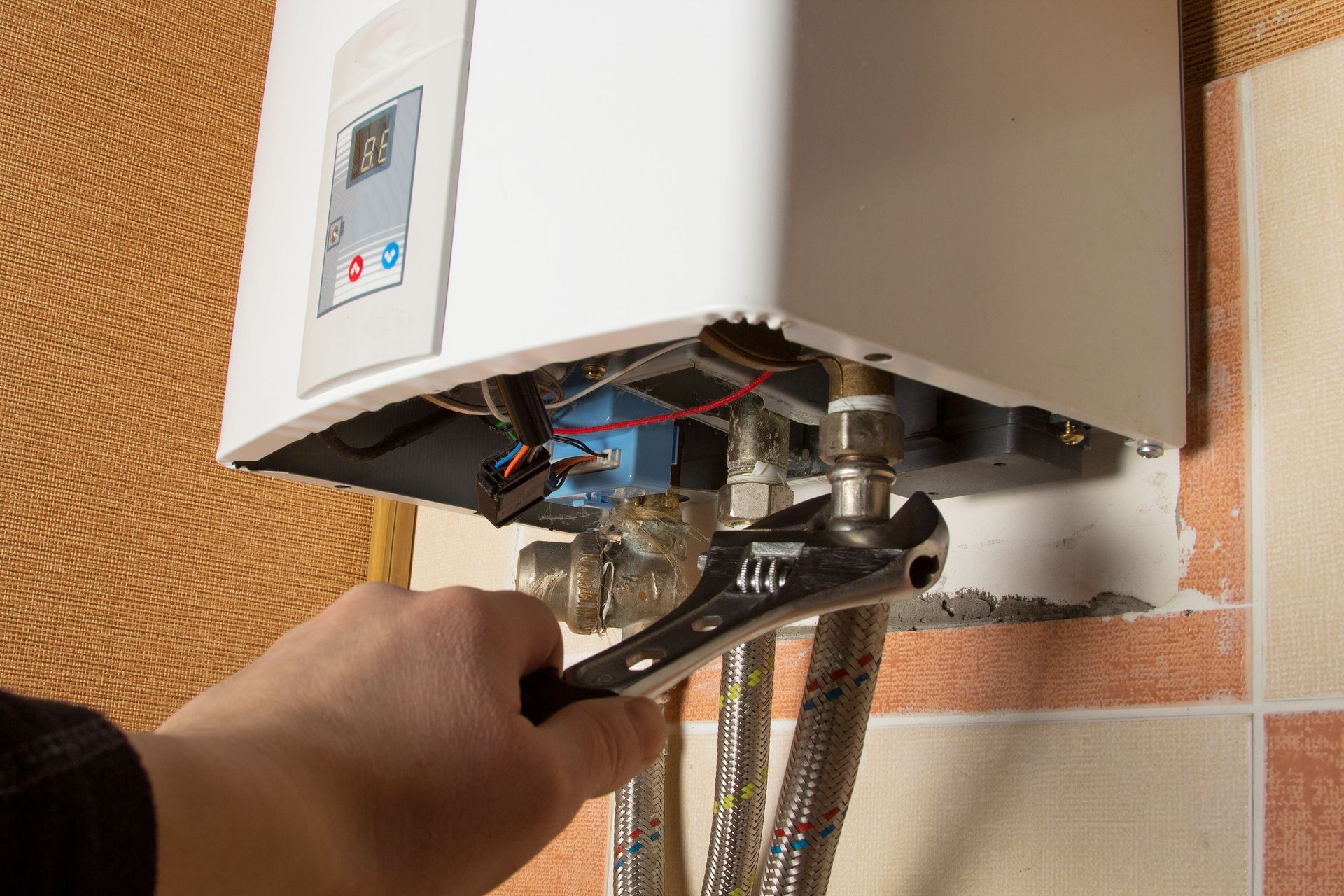
This approach supports a more proactive maintenance strategy. Instead of relying entirely on occupant complaints or equipment breakdowns, businesses can use available operating information to prioritize inspections and service appointments. Commercial building automation does not eliminate the need for qualified technicians or routine maintenance, but it can make equipment issues easier to identify and manage. Earlier intervention may also help reduce downtime and limit disruptions to employees and customers.
Coordinate Service and Maintenance Activities
Effective HVAC maintenance involves more than repairing equipment after a failure. Commercial properties need consistent inspection schedules, timely component replacements, and appropriate service records to keep systems operating as intended. Automated monitoring can help facility managers identify equipment that requires attention and coordinate service activities around business needs.
For example, maintenance teams can investigate recurring temperature complaints, review equipment operating patterns, and determine whether particular zones require further evaluation. Scheduling service before periods of heavy occupancy can also help reduce the impact of maintenance activities on normal operations. Clearer system information makes it easier to communicate concerns to technicians and establish priorities based on operational importance.
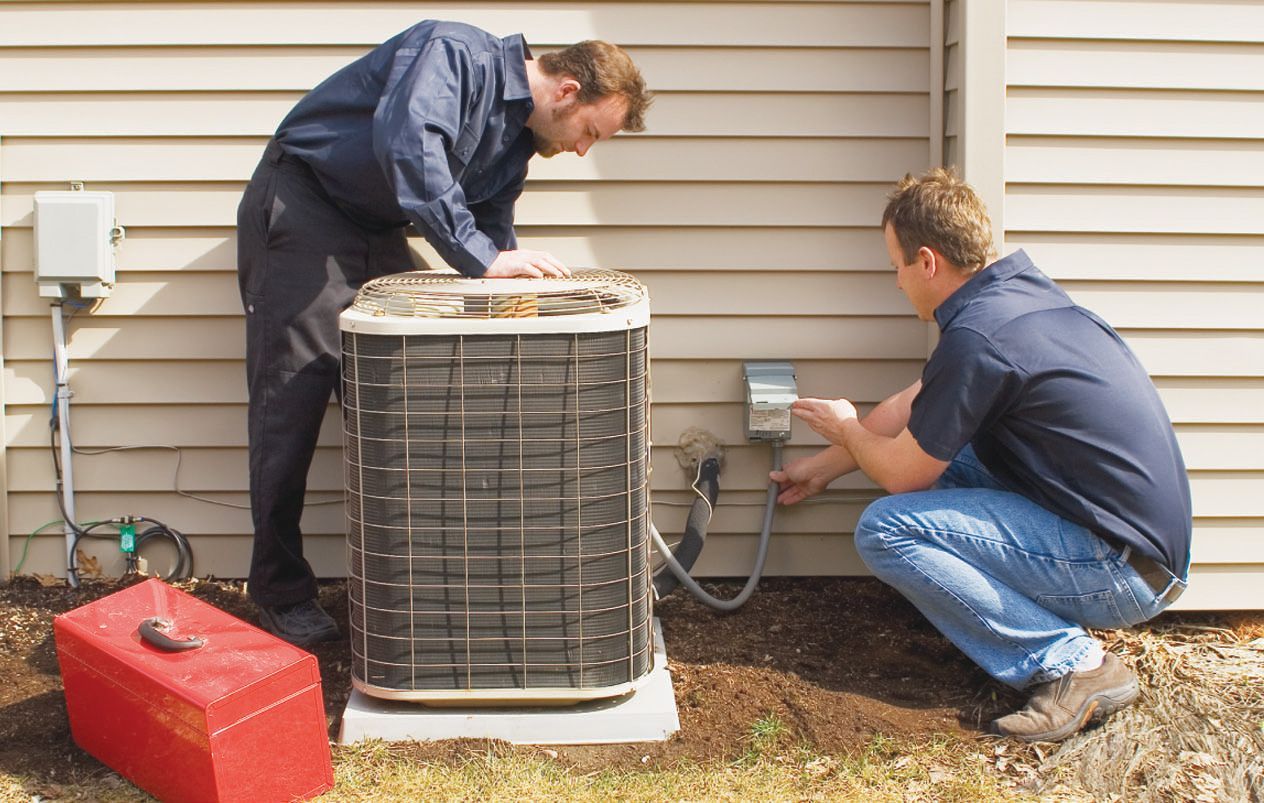
Working with qualified HVAC professionals remains essential for interpreting system data, inspecting equipment, and completing necessary repairs. An engineering-based approach can help ensure that control settings align with the building's equipment, layout, and operating requirements. Combining centralized monitoring with ongoing professional maintenance supports more organized facility management and helps businesses make better use of their maintenance resources.
Commercial building automation for HVAC helps businesses coordinate climate control, manage energy consumption, simplify maintenance, and maintain comfortable indoor environments. Centralized monitoring and flexible operating schedules also give facility managers greater control over equipment performance and day-to-day building operations. By evaluating existing systems and working with qualified HVAC professionals, commercial property owners can develop practical solutions that support efficiency, minimize disruptions, and accommodate changing business requirements.
Contact Scientific Building Automation today to discuss customized HVAC automation solutions that improve energy efficiency, simplify facility management, and support your building's operational needs.