January 9, 2026
The American Innovation and Manufacturing (AIM) Act has become one of the most influential environmental regulations impacting modern heating and cooling technology. For business owners, understanding what this legislation means is essential for staying compliant and preparing for long-term operational changes. As the HVAC industry continues to evolve, companies must remain informed about refrigerant transitions, equipment upgrades, and ongoing regulatory shifts. This blog explains how the AIM Act affects businesses, what changes to expect, and why preparation is key. By the end, you will have a clearer view of how to navigate these updates smoothly.
Understanding the Purpose of the AIM Act
The AIM Act was designed to gradually phase down high-GWP hydrofluorocarbon refrigerants commonly used in cooling technologies. Its purpose is to transition the nation toward more environmentally friendly alternatives over the next several years. This regulation influences manufacturers, distributors, and service providers across the cooling sector. Businesses operating commercial facilities must have a basic understanding of how the law shapes future equipment requirements. Preparing early can help reduce costs, avoid compliance challenges, and make planning for HVAC and Automated Building Control Services more efficient.
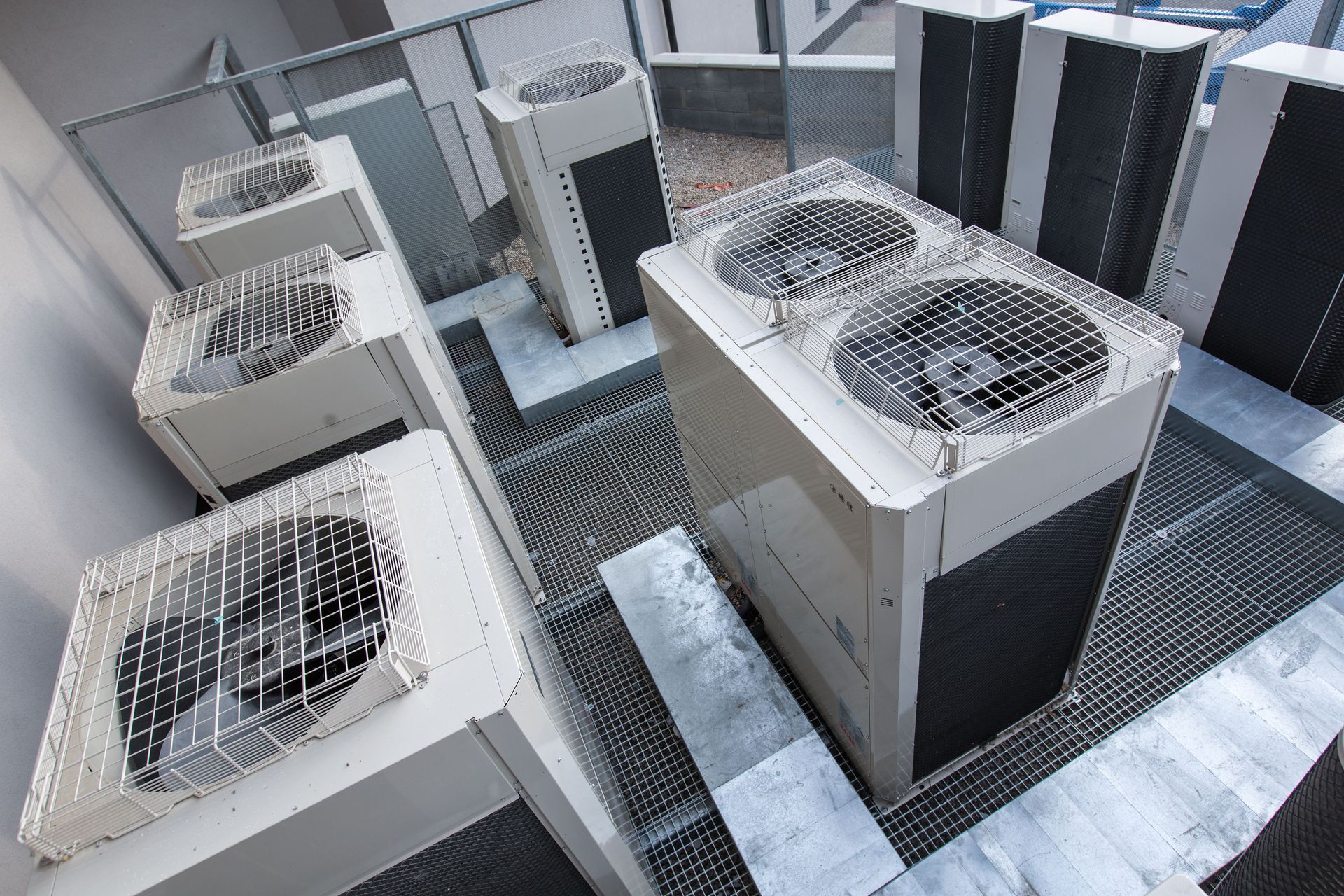
Because the AIM Act directly affects refrigerant standards, your system may require updates sooner than expected. Older equipment that relies on high-GWP refrigerants will eventually need replacement or retrofitting when supplies decline. This can influence budgeting, operational planning, and long-term sustainability strategies. Businesses that rely on large cooling units should take inventory of their current systems to determine potential impacts. Understanding these upcoming changes ensures you are not caught off guard when equipment rules tighten.
One of the most significant parts of the law is the mandate to transition to safer, lower-GWP refrigerants. According to HVAC Informed, the American Innovation and Manufacturing (AIM) Act requires all new AC equipment to use refrigerants with a Global Warming Potential (GWP) of 700 or less. This requirement impacts purchasing decisions for commercial facilities upgrading or expanding temperature-controlled areas. Businesses that operate warehouses, office buildings, or multi-unit properties may see a noticeable difference when evaluating future cooling equipment. With this shift, companies should begin planning to upgrade systems before older refrigerants become expensive or scarce.
Evaluating Your Existing HVAC System for Compliance
Before making any changes, businesses should evaluate their current system to understand which components may need updating. A professional assessment can identify whether your HVAC system uses refrigerants that fall outside new guidelines. This evaluation also helps determine potential retrofit options, which may offer a temporary solution. While some businesses may choose to wait until replacement is necessary, taking a proactive approach can help prevent operational interruptions. Planning ensures your facility transitions smoothly into the next generation of cooling standards.
Waiting until the last minute to replace or update equipment can lead to higher costs and unexpected downtime. As refrigerant supplies continue to shift, demand for compliant equipment will rise across commercial industries. Early planning makes it possible to compare systems, request quotes, and schedule installations without pressure. Businesses that manage their facility needs ahead of time will avoid delays that often occur during periods of high demand. Including HVAC and Automated Building Control Services in this process can provide better long-term planning insight.
The AIM Act uses a gradual timeline to achieve its national refrigerant reduction goals. Instead of eliminating high-GWP refrigerants abruptly, the phase-down occurs in controlled steps. Each stage reduces the available supply, encouraging businesses and manufacturers to transition steadily. Even though the full timeline spans several years, commercial facilities should prepare early to avoid inflated replacement costs. Staying aware of each phase can help businesses determine the right moment to purchase new HVAC system equipment.
The Financial Impact of Refrigerant Changes
As the supply of older refrigerants decreases, the cost of maintaining outdated systems will likely rise. Repairs involving restricted refrigerants may become significantly more expensive due to limited inventory. For many businesses, investing in updated equipment may become more cost-effective than continuing to repair older units. Upgrading also reduces the risk of unexpected failures that could disrupt daily operations. Factoring these financial changes into annual facility budgets ensures a smoother transition.
When preparing to upgrade equipment, businesses must understand that next-generation HVAC system units may require new installation considerations. The structure, controls, or ventilation setups within commercial buildings may need adjustments when transitioning to new refrigerants. Working with trained professionals ensures that your facility receives a system compatible with both present and future regulations. Businesses operating multiple locations may benefit from developing a standardized installation plan. This approach streamlines operations and reduces complicated retrofit challenges.
The AIM Act’s focus on sustainability aligns with growing technological innovations in the commercial cooling field. Automated Building Control Services can help businesses optimize energy use while maintaining occupant comfort. These HVAC systems allow facilities to monitor equipment performance, track potential issues, and adjust environmental settings remotely. By integrating automation with updated cooling technology, companies can reduce waste and improve efficiency. This pairing supports both compliance and long-term operational success.
Improving Operational Efficiency Through Advanced Controls
Modern control systems give facility managers the ability to monitor performance in real time. This visibility helps reduce energy waste, identify equipment issues quickly, and improve overall HVAC system reliability. Automated features also ensure that temperature settings remain consistent throughout a facility, eliminating unnecessary energy fluctuations. These capabilities are especially valuable for businesses with large square footage or multiple operational zones. When paired with compliant equipment, these systems create long-term stability.
Upgrading equipment does more than improve compliance; it can also enhance workplace comfort. New refrigerants operate efficiently and help maintain more stable temperatures throughout commercial spaces. Employees benefit from improved indoor air quality, especially in environments with fluctuating workloads or high foot traffic. This can contribute to better productivity and a more reliable work environment. Many businesses find that equipment upgrades support both compliance and day-to-day operations.
Businesses reviewing multi-year facility strategies should incorporate refrigerant transitions into their planning process. As compliance deadlines approach, early adopters of new equipment will experience fewer obstacles. Long-term planning also simplifies budgeting and decreases the likelihood of facing emergency replacement costs. Additionally, updated cooling systems often provide enhanced performance and lower energy use. Incorporating HVAC and Automated Building Control Services into this planning helps ensure a more strategic approach.
The Growing Importance of Preventive Maintenance
Preventive maintenance becomes more important as facilities transition to new HVAC system technologies. Regular inspections help identify leaks, worn components, or performance issues before they escalate into major problems. With the rising cost of outdated refrigerants, catching issues early is more financially important than ever. Facilities that implement scheduled maintenance often extend equipment lifespan and reduce unexpected downtime. Strong maintenance programs support both compliance and operational consistency.
Businesses with multiple facilities face additional planning challenges under the AIM Act. Coordinating equipment replacement schedules, budgeting timelines, and compliance strategies across several buildings can be complex. Centralizing planning efforts ensures consistency and reduces the risk of falling out of compliance at any location. Many companies create a phased replacement schedule to minimize disruptions. Including HVAC and Automated Building Control Services across each site helps ensure unified performance.
Any business planning renovations should consider the AIM Act requirements early in the design process. Incorporating updated cooling systems during remodeling projects can help reduce future expenses and accelerate compliance. Older buildings may require infrastructure modifications to support new refrigerants or improved control systems. Addressing these updates during renovations creates a more efficient workflow and reduces future disruptions. Proactive building planning ensures businesses stay ahead of regulatory changes.
Navigating the AIM Act is essential for any business that relies on cooling equipment, and understanding the requirements will make future transitions smoother and more cost-effective. With updated refrigerants, shifting market demands, and evolving equipment standards, companies that prepare early will avoid disruptions and maintain long-term operational efficiency. If your business needs professional guidance or support with this transition, Scientific Building Automation can help you evaluate your options and plan strategically. For more information, contact us today!