May 27, 2026
Commercial buildings depend on HVAC and building automation systems to keep indoor spaces comfortable, safe, and productive. These systems control temperature, ventilation, humidity, indoor air quality, and energy usage across offices, retail spaces, warehouses, schools, medical buildings, and industrial facilities. Because these systems often run for long hours and serve large areas, even small issues can waste energy and increase operating costs.
Timely commercial HVAC repairs are among the most practical ways to keep a facility running efficiently. When building owners or facility managers delay repairs, HVAC equipment has to work harder to maintain the same indoor conditions. That extra strain increases utility bills, shortens equipment lifespan, and can affect occupant comfort.
According to the U.S. Department of Energy, demand for commercial HVAC systems is expected to grow by more than 7% from 2023 to 2030, the fastest rate to date. As demand rises, energy efficiency will become even more important for businesses trying to control costs, reduce waste, and maintain reliable building performance.
Reducing Energy Waste in Commercial Systems
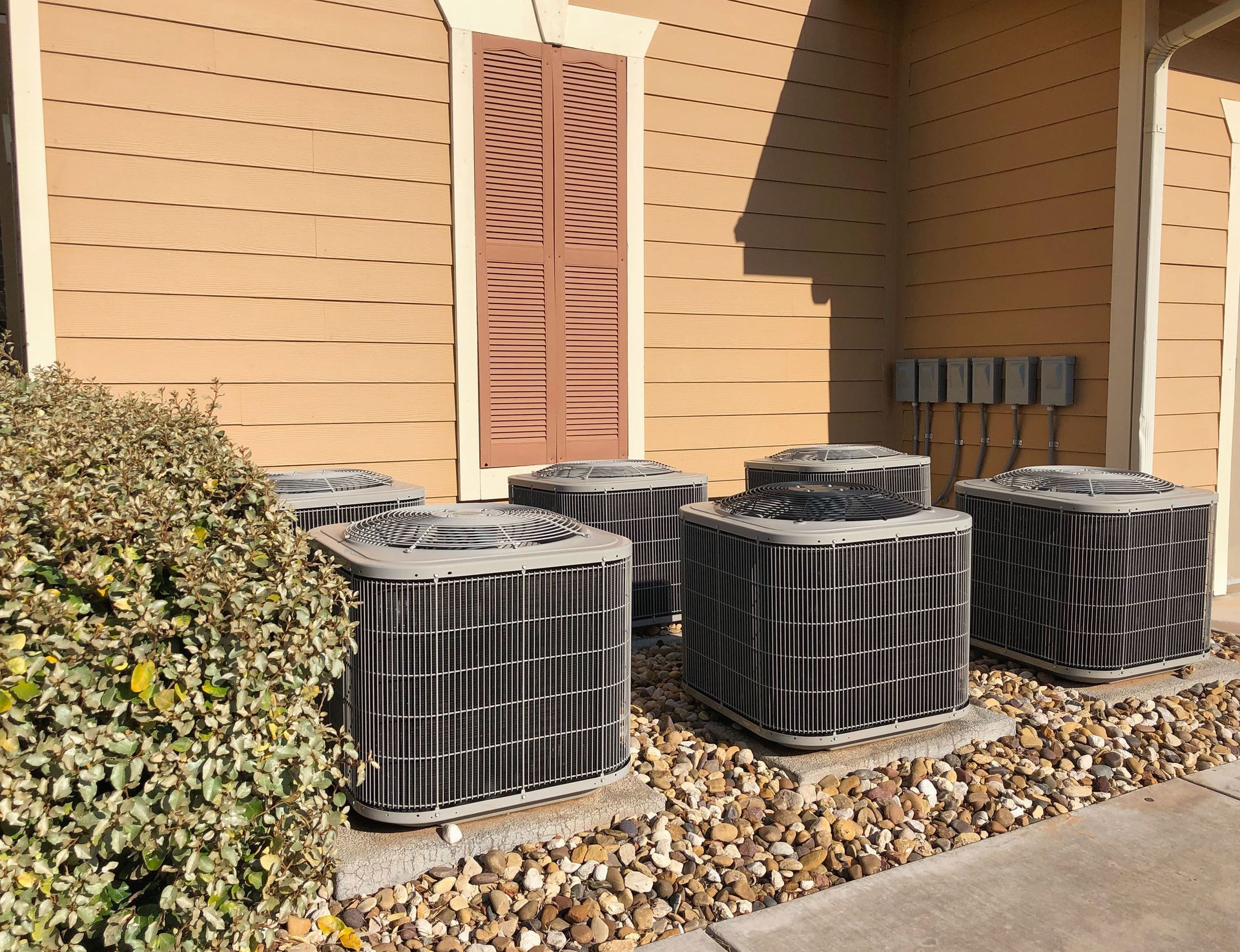
HVAC systems are among the largest energy users in commercial buildings, especially when they include air conditioners, fresh air make-up units, high-efficiency boilers, ventilation ducts, thermostats, fans, dampers, compressors, VFD variable frequency drives, VRF variable refrigerant flow systems, and building automation controls across multiple zones.
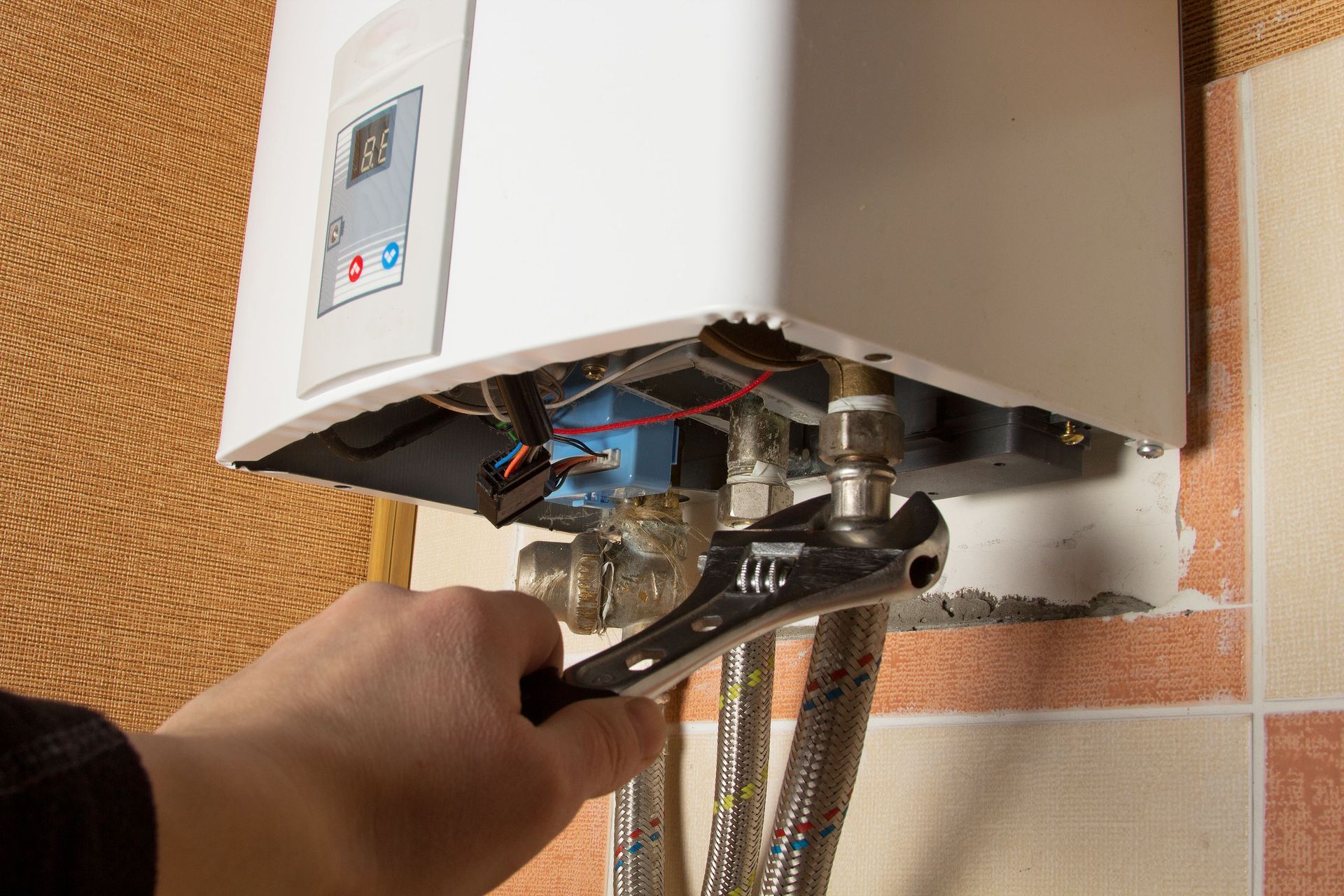
When filters are clogged, refrigerant levels are off, ductwork leaks, thermostats malfunction, or control systems are not properly calibrated, the equipment has to work harder. Commercial HVAC building repair often requires looking beyond one component and evaluating mechanical equipment, networked systems, computer-controlled controls, sensors, and energy usage patterns to restore efficient performance.
Recognizing Warning Signs Early
Commercial HVAC problems often give warning signs before a major breakdown occurs. Uneven temperatures, unusual noises or odors, weak airflow, poor indoor air quality, rising humidity, unresponsive thermostats, unexplained shutdowns, and sudden increases in energy bills can all point to hidden system issues.
When ignored, these problems force equipment to work harder, increasing energy use and discomfort for building occupants. Addressing them early with commercial HVAC building repairs can help prevent wasted energy, costly emergency repairs, and minor issues from turning into larger system failures.
Scheduling Timely Repairs Before Problems Grow
Commercial HVAC problems often give warning signs before a major breakdown occurs. Uneven temperatures, unusual noises or odors, weak airflow, poor indoor air quality, rising humidity, unresponsive thermostats, unexplained shutdowns, and sudden increases in energy bills can all point to hidden system issues.
When some rooms are too hot while others are too cold, the system may be dealing with ductwork problems, airflow restrictions, thermostat issues, control problems, or failing components. Grinding, banging, rattling, squealing, musty smells, or burning odors may also signal mechanical wear, loose parts, moisture problems, dirty components, or electrical concerns.
Addressing these signs early helps prevent energy waste, occupant discomfort, and expensive repairs. If the system is cycling too often, running longer than usual, or struggling to maintain consistent conditions, it may be time for commercial HVAC building repair before a minor issue becomes a larger failure.
Using Building Automation and Controls Effectively
Modern commercial buildings often rely on building automation systems to regulate temperature and energy usage. These systems help control HVAC equipment based on occupancy, schedules, weather, indoor conditions, and operational needs. When properly installed and maintained, automated building control can reduce waste while improving comfort.
Commercial HVAC building repair may include restoring HVAC building control systems, troubleshooting networked systems, checking computer-controlled systems, and solving communication issues between equipment and controls. For facilities that depend on automation, this type of repair is essential.
Computer-controlled systems, building automation systems, HVAC, automated building control, and process system design all contribute to commercial efficiency. The goal is not just to make the equipment run. The goal is to make the right equipment run at the right time, at the right level, for the right area of the building.
Improving Efficiency and Lowering Operating Costs
Efficient HVAC operation also supports better indoor comfort. Consistent temperatures and good ventilation help employees, customers, tenants, and visitors feel more comfortable. In work environments, that comfort may support focus and productivity. In customer-facing spaces, it can improve the overall experience.
There are long-term equipment benefits as well. HVAC systems that receive timely repairs and commercial building maintenance usually last longer than those that are neglected. Fewer breakdowns, less strain, and better performance can delay the need for expensive replacements. For building owners and facility managers, that means more predictable costs and better protection of a major building investment.
Commercial HVAC building repair can also support sustainability goals. When high-efficiency boilers, VRF variable refrigerant flow systems, VFD variable frequency drives, and fresh air make-up units are serviced properly, they can perform closer to their intended efficiency. Manufacturer partnerships can also help with access to proper parts, system knowledge, and equipment-specific repair guidance.
Preventing Failures With Proactive Maintenance
A strong maintenance plan should include scheduled inspections, filter replacement, ductwork checks, thermostat testing, airflow measurements, control system review, and energy usage monitoring. For larger buildings, system performance data can reveal unusual patterns before occupants notice comfort problems.
Air filter replacement is one of the simplest and most important maintenance tasks. When filters become clogged with dust and debris, airflow is restricted, and the system has to work harder. Clean filters help protect equipment, improve air quality, and support efficient operation.
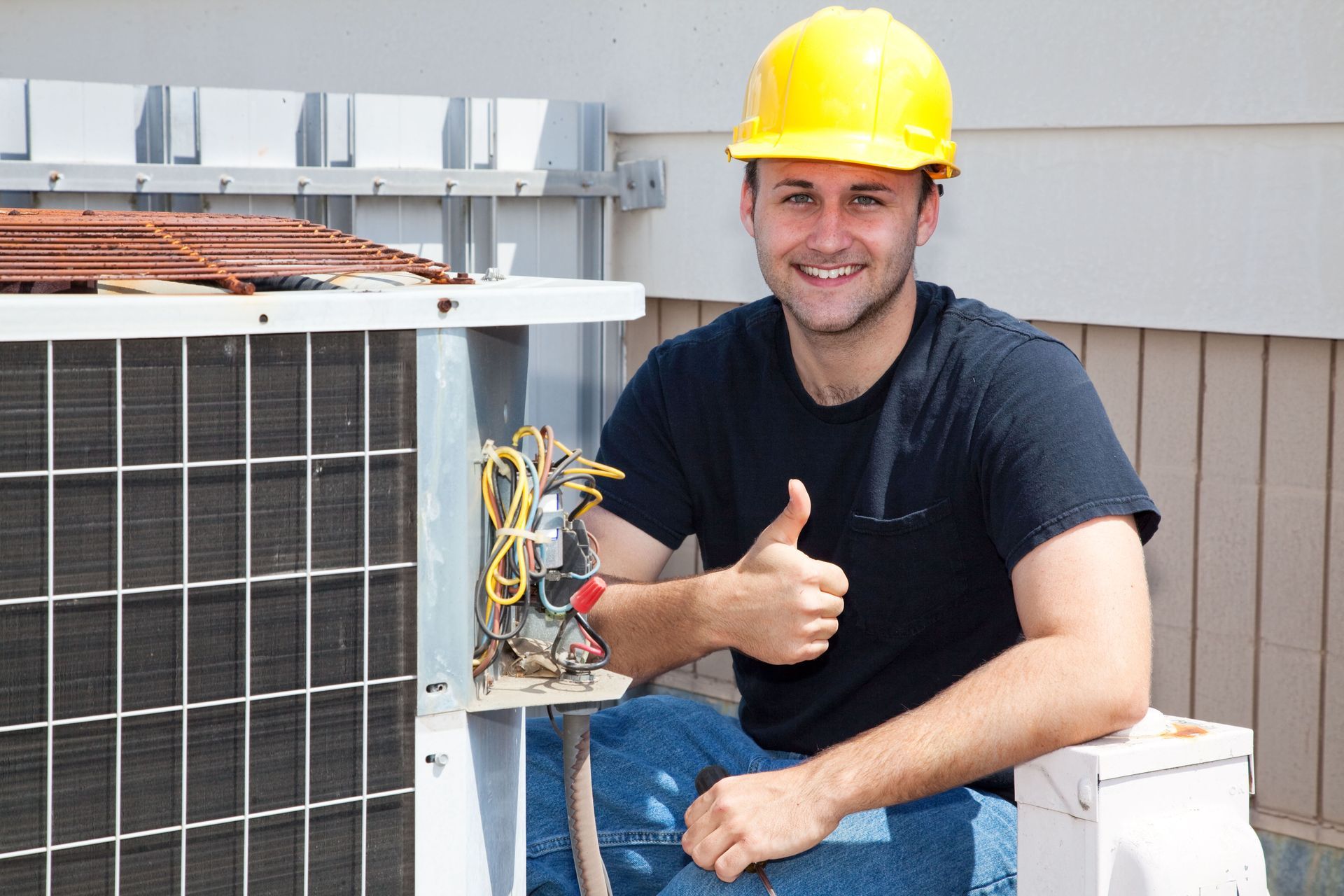
Commercial HVAC building repairs are most effective when they are part of a proactive maintenance plan. Free same-day estimates can also help building owners make faster decisions when a system begins showing signs of trouble. Instead of waiting for a full breakdown, facility managers can get information quickly and plan repairs before energy waste increases.
Supporting HVAC and Building Automation With Experience
Commercial buildings are not one-size-fits-all. A restaurant, school, warehouse, medical facility, office building, and manufacturing space may all have very different HVAC demands. Process system design, fresh air requirements, temperature control, ventilation, and energy usage all depend on how the building is used.
Commercial HVAC building repair may require troubleshooting mechanical equipment, resolving control issues, restoring automation systems, checking Freon levels, repairing fresh air units, evaluating high-efficiency boilers, and reviewing how the entire system operates. The more connected the system is, the more important it is to understand both HVAC equipment and building automation.
Installing systems is only part of the process. Long-term value comes from keeping those systems calibrated, maintained, and responsive to building demands. When HVAC and automated building control systems are properly supported, they can help reduce waste, improve comfort, and extend equipment life.
Protecting Long-Term Building Performance
Commercial HVAC systems affect comfort, air quality, energy use, operating costs, and overall building performance, so small issues shouldn’t be ignored. When repairs are delayed, minor problems can turn into costly failures that waste energy and disrupt operations.
Timely commercial HVAC building repair helps systems run efficiently, reduce utility costs, extend equipment life, and maintain a better indoor environment. By regularly inspecting equipment, repairing issues early, monitoring performance, and investing in smart upgrades when needed, commercial HVAC building repairs can support sustainable building operations. A proactive maintenance approach also helps property owners avoid unexpected breakdowns during peak heating or cooling seasons. Over time, consistent repairs and performance checks can improve reliability, protect valuable equipment, and create a safer, more comfortable space for occupants.