November 2, 2026
A comfortable workplace is essential for employee satisfaction, productivity, and overall business performance. Temperature fluctuations, poor air circulation, and inconsistent heating or cooling can make it difficult for employees to concentrate and complete their daily responsibilities. Properly functioning HVAC systems help businesses maintain comfortable indoor environments while supporting energy efficiency and healthier working conditions. Understanding how these systems improve workplace comfort can help business owners make informed decisions about building maintenance and climate control.
Maintain Consistent Indoor Temperatures
One of the most important factors influencing workplace comfort is temperature consistency. Employees working in environments that are too hot or too cold may experience discomfort, fatigue, and difficulty concentrating. Maintaining appropriate indoor temperatures helps create an environment where employees can focus on their responsibilities without unnecessary distractions.
According to Lawrence Berkeley National Laboratory, research indicates that workplace productivity and thermal comfort are greatest when indoor temperatures are approximately 71°F or 72°F. Although individual preferences vary, this research highlights the relationship between temperature regulation and employee performance.
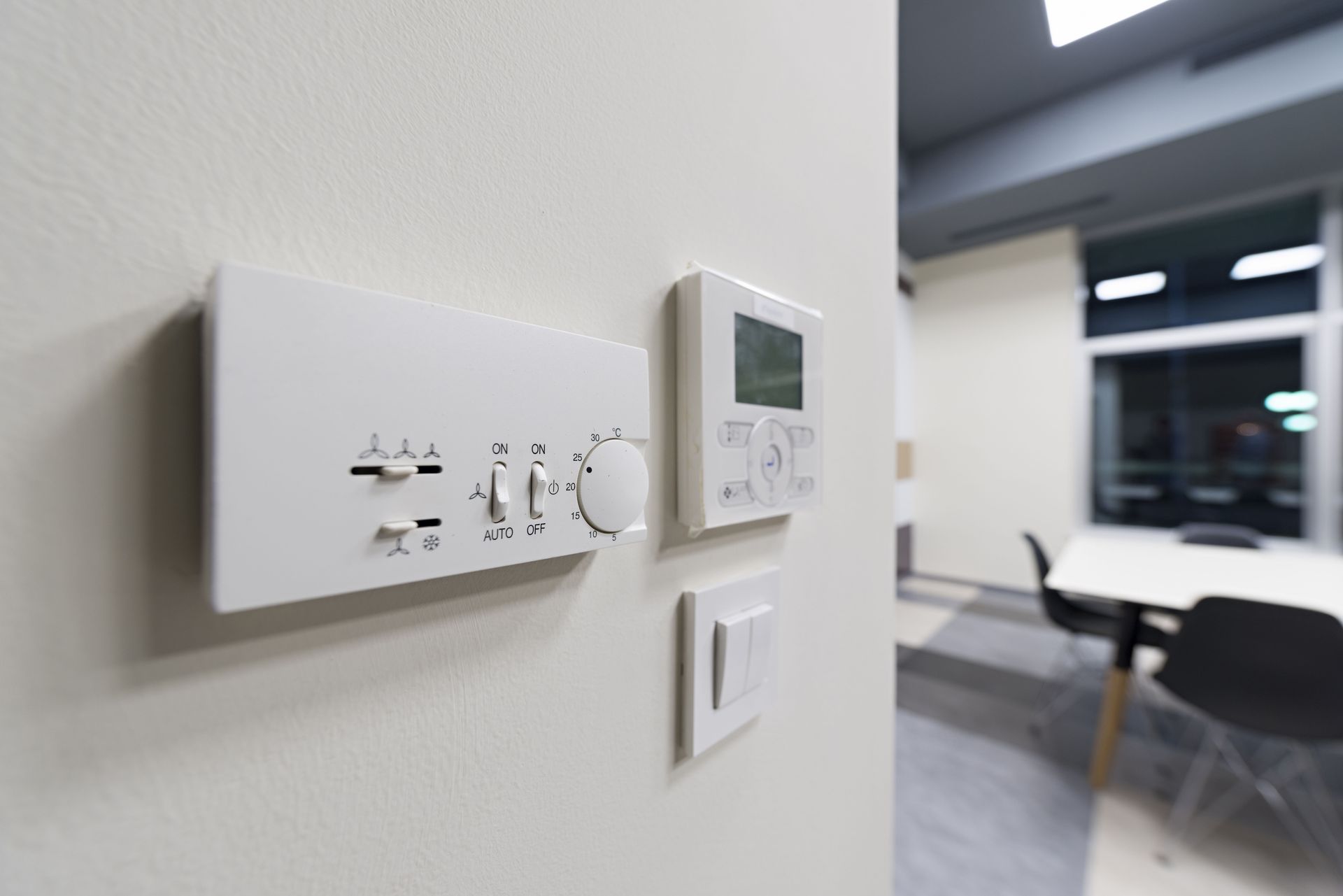
Modern heating and cooling equipment can maintain comfortable temperatures by responding to changes in indoor conditions. Automated temperature controls monitor environmental conditions and adjust heating or cooling output accordingly.
Consistent temperature regulation is particularly important in commercial buildings with varying occupancy levels, large windows, or equipment that generates heat. Proper climate control helps reduce uncomfortable temperature fluctuations throughout the workday.
Improve Indoor Air Quality
Indoor air quality directly affects how comfortable employees feel while working. Dust, airborne particles, excess humidity, and inadequate ventilation can contribute to unpleasant indoor conditions. Businesses that prioritize air quality can create more welcoming environments for employees and visitors.
Commercial HVAC systems help support indoor air quality by circulating conditioned air and working with ventilation equipment to introduce outdoor air. Proper filtration can also help remove certain airborne particles before air circulates throughout the building.
Several factors influence indoor air quality, including:
- Ventilation: Adequate outdoor airflow helps dilute indoor pollutants and maintain appropriate air exchange.
- Filtration: Properly selected and maintained filters capture dust and other airborne particles.
- Humidity control: Balanced humidity levels help prevent excessively dry or damp indoor conditions.
- Equipment maintenance: Regular inspections help identify airflow restrictions, dirty components, and ventilation problems.
Businesses should consider these factors when evaluating their indoor environments. Proper ventilation and filtration can help maintain comfortable conditions, although specific improvements depend on the building's design, equipment, and maintenance practices.
Enhance Airflow Throughout the Building
Uneven airflow can create uncomfortable working conditions, even when the overall building temperature appears appropriate. Some employees may experience strong drafts, while others work in areas with insufficient cooling or heating.
Large offices, warehouses, and commercial facilities often have different airflow requirements depending on their layouts and daily activities. Meeting rooms may experience changing occupancy levels, while areas containing heat-generating equipment may require additional cooling.
Effective air distribution helps conditioned air reach occupied spaces more consistently. Properly designed ductwork, air handling units, and ventilation controls work together to support balanced airflow.
Variable frequency drives can also improve airflow management by adjusting motor speeds based on operating requirements. Rather than running certain fans at a constant speed, these controls allow equipment to respond to changing building demands.
Improving airflow can reduce uncomfortable drafts, minimize temperature differences between work areas, and help employees remain comfortable throughout the day.
Support Employee Productivity and Concentration
Workplace comfort influences how employees experience their daily responsibilities. Excessive heat can contribute to fatigue, while uncomfortable cold conditions may distract employees from tasks requiring concentration.
Well-maintained HVAC systems help create more predictable indoor conditions, allowing employees to focus on their work rather than adjusting clothing, opening windows, or frequently changing thermostats.
Temperature consistency is especially important in workplaces where employees perform detailed tasks, operate machinery, or participate in extended meetings. Comfortable indoor environments can also make shared spaces more pleasant for collaboration and communication.
Business owners should recognize that workplace comfort involves more than maintaining a single temperature. Air movement, humidity, occupancy, and individual preferences all influence how employees perceive their surroundings.
Gathering employee feedback can help facility managers identify recurring comfort concerns. When combined with building performance information, this feedback can guide adjustments that better accommodate workplace needs.
Increase Energy Efficiency Through Automation
Maintaining employee comfort does not necessarily require heating or cooling every area of a building continuously. Building automation technology can help businesses manage equipment operation according to actual conditions and occupancy patterns.
Advanced controls allow HVAC systems to respond to temperature readings, operating schedules, and changing building demands. This helps facility managers maintain comfortable indoor environments while reducing unnecessary energy consumption.
Computer-controlled building systems can provide several operational advantages:
- Adjusting temperature settings according to building occupancy and operating schedules.
- Monitoring equipment performance to identify unusual operating conditions.
- Coordinating heating, cooling, and ventilation equipment for improved efficiency.
- Providing building managers with information about temperature and energy usage.
These capabilities are especially useful in commercial properties with multiple floors, departments, or operating schedules.
For example, a building automation system may reduce unnecessary conditioning in unoccupied areas while maintaining comfortable temperatures in active workspaces. Appropriate scheduling can support workplace comfort without requiring equipment to operate at full capacity throughout the day.
Reduce Equipment Problems Through Preventive Maintenance
Reliable heating and cooling equipment is important for maintaining a comfortable workplace. Unexpected equipment failures can interrupt business operations, create uncomfortable indoor temperatures, and require urgent attention.
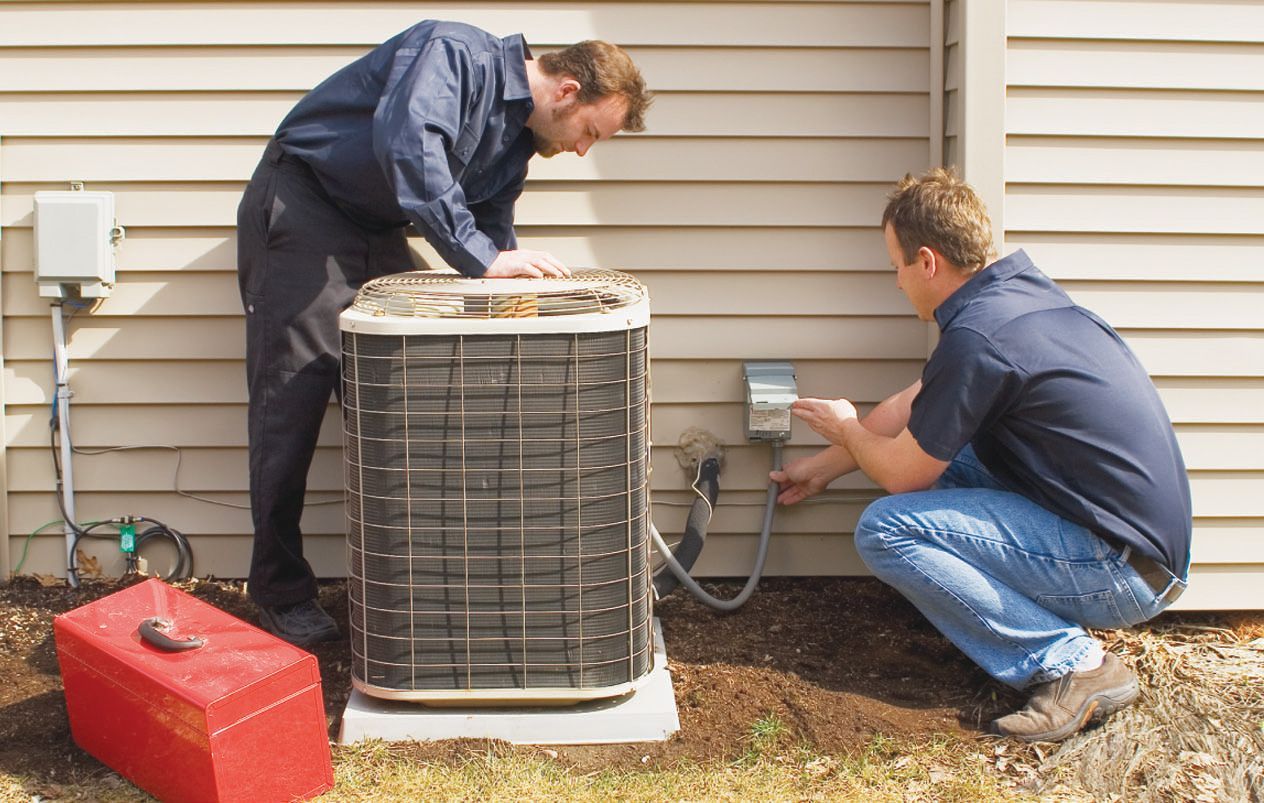
Preventive maintenance helps identify developing problems before they cause significant disruptions. Routine inspections allow technicians to evaluate equipment condition, examine control settings, and address performance concerns.
Common maintenance activities include checking system components, evaluating airflow, inspecting electrical connections, and confirming that temperature controls operate correctly.
Businesses with building automation technology may also benefit from monitoring capabilities that identify abnormal operating conditions. Automated alerts can help facility managers recognize potential problems before employees experience significant discomfort.
Maintaining equipment can also help preserve operating efficiency. Dirty components, malfunctioning sensors, and restricted airflow may cause equipment to work harder than necessary.
A consistent maintenance schedule supports dependable heating and cooling performance while helping businesses plan repairs and equipment improvements more effectively.
Accommodate Different Workplace Comfort Needs
Not every area of a commercial building requires identical indoor conditions. Conference rooms, private offices, manufacturing areas, and shared workspaces often have different temperature and ventilation needs.
Zoned HVAC systems allow businesses to manage indoor conditions in designated areas rather than relying on a single setting throughout an entire building. Depending on equipment configuration, this approach can improve temperature control in spaces with different occupancy levels and operating requirements.
Variable refrigerant flow technology can also provide flexible heating and cooling options for certain commercial applications. These systems can regulate conditioning across different zones, helping accommodate changing comfort demands.
Customized control strategies help businesses balance individual comfort preferences with practical operating requirements. The result is a more adaptable workplace that can respond to changing conditions throughout the day.
Create a More Comfortable and Productive Workplace
Maintaining comfortable working conditions requires attention to temperature control, indoor air quality, ventilation, and equipment reliability. Businesses that prioritize these factors can create environments that support employee concentration, satisfaction, and daily operations.
Modern HVAC systems provide important benefits through consistent temperature regulation, balanced airflow, automated controls, and efficient equipment operation. Regular maintenance and appropriate building management strategies help preserve these advantages while reducing avoidable disruptions.
Contact Scientific Building Automation today to schedule a consultation and explore commercial heating, cooling, and building automation solutions that improve workplace comfort and operational efficiency.