March 20, 2026
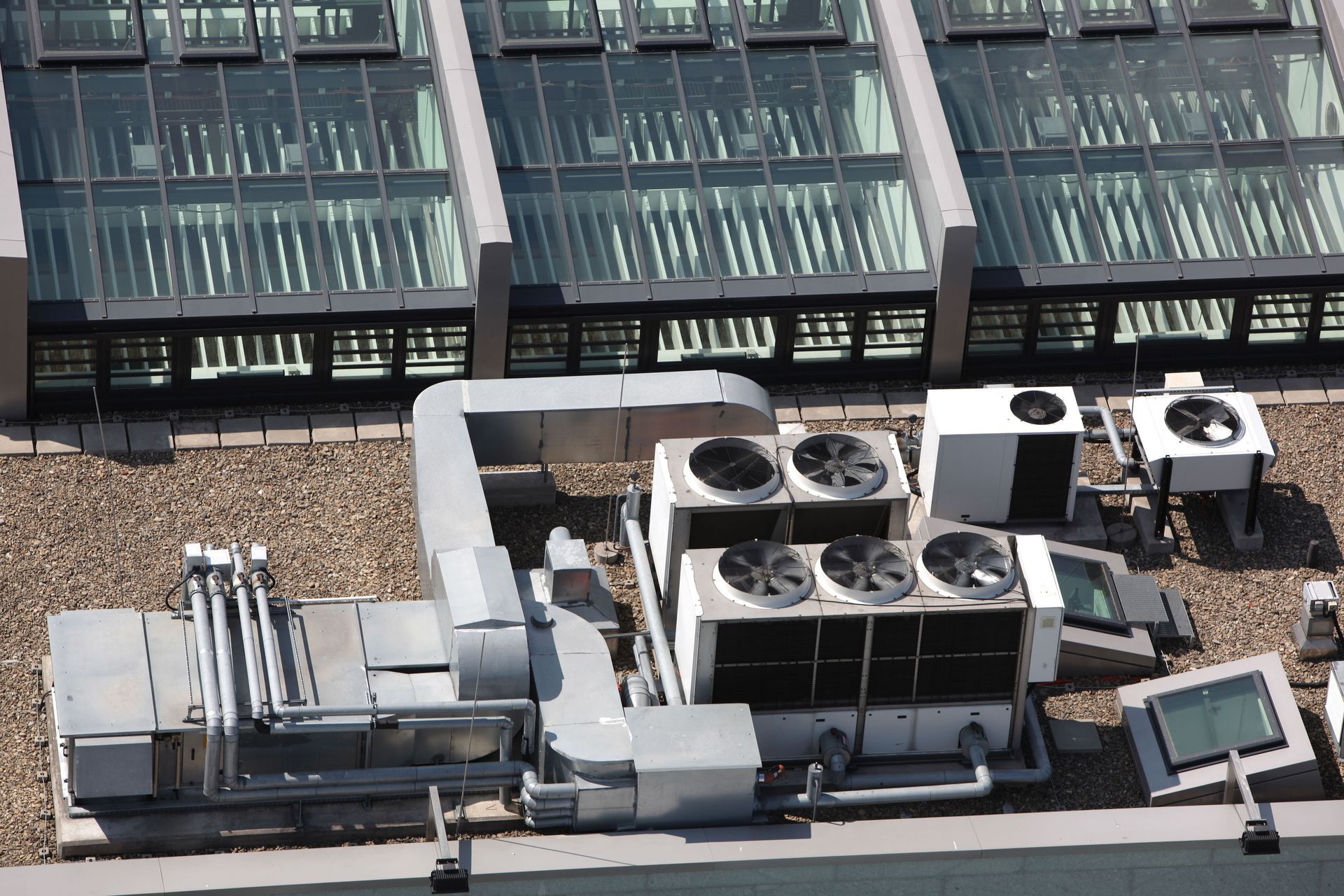
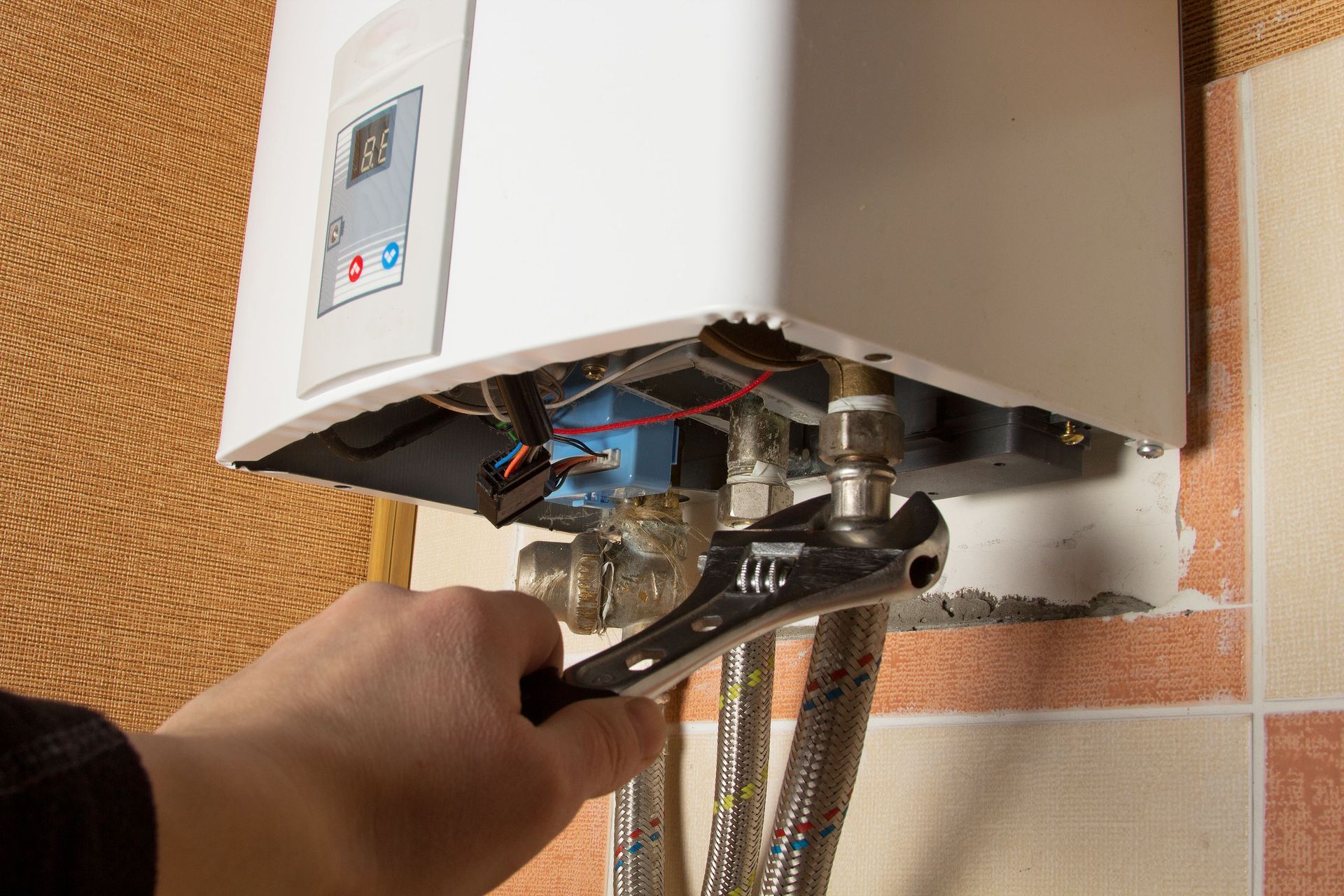
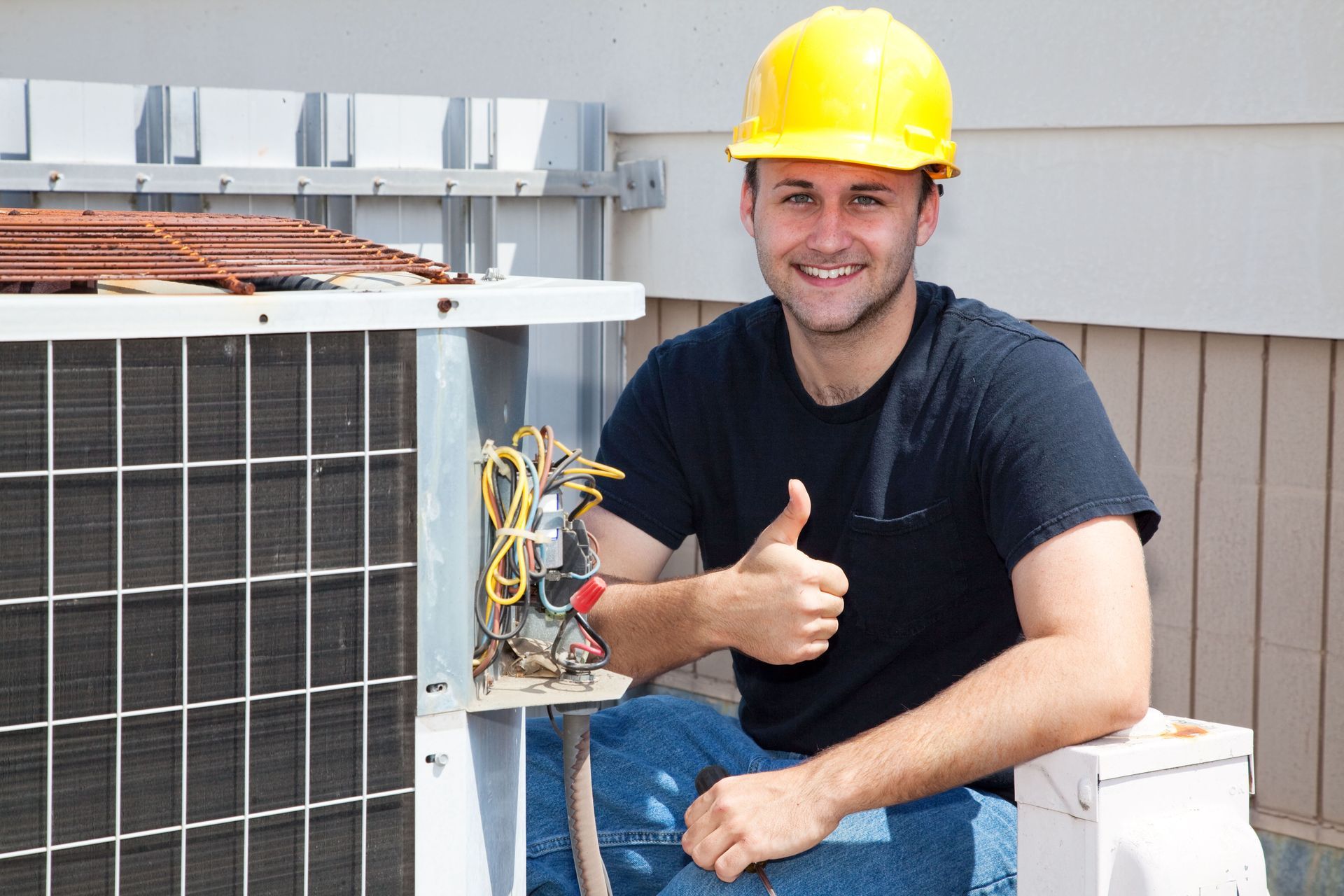
In this article, we explore cost-effective strategies for maintaining and repairing HVAC systems in commercial buildings. Proper maintenance not only enhances performance but also ensures longevity and reduces unexpected repair costs. Let’s delve into six strategic approaches to achieve budget-friendly HVAC repairs. The complexity and scale of commercial HVAC systems make it essential to have a structured approach to managing these systems efficiently. By implementing strategic cost-saving measures, businesses can optimize the performance and resiliency of their HVAC infrastructures. Engaging experienced professionals for commercial HVAC building repairs ensures systems remain reliable and cost-effective.
1. Implementing Preventive Maintenance Plans
Preventive maintenance is crucial in preserving the functionality and efficiency of commercial HVAC systems. Scheduled inspections and tunings are integral, allowing technicians to identify potential minor issues before they escalate into major problems. This approach not only decreases the likelihood of unexpected breakdowns but also extends the lifespan of components, saving on future repair or replacement costs. Routine commercial HVAC building repairs as part of preventive care can prevent costly emergencies. Regular inspections also facilitate adjustments to be made, ensuring systems operate optimally throughout the year. Avoidance of emergency repairs through preventive care contributes significantly to cost savings.
Regular filter changes are another pillar of effective preventive maintenance. Filters play a key role in maintaining air quality and system efficiency; when they become clogged, they can strain the system, leading to higher energy consumption and potential damage. Ensuring filters are changed frequently, as per the manufacturer's specifications, helps in maintaining airflow and system efficiency. Moreover, clean filters protect against contaminants that can affect indoor air quality and occupant health. This simple, cost-effective practice can prevent a host of operational issues.
Seasonal pre-checks, such as tuning systems before peak usage seasons, are imperative. These checks involve thorough inspections and tunings, ensuring that all components are functioning correctly and efficiently. Pre-checks before summer and winter help leverage the HVAC system's full potential during periods of heavy use. Lubrication of mechanical components during these check-ups reduces friction and wear, further extending the life of the system. Monitoring system performance indicators during pre-checks can highlight areas for improvement, facilitating better resource allocation for maintenance.
2. Utilizing Energy Management Systems
Energy management systems (EMS) are transforming how commercial buildings manage their HVAC operations. Integration of smart thermostats is crucial in effectively controlling energy use. These devices can adapt to occupancy patterns and adjust temperature settings automatically, reducing unnecessary energy expenditure. Smart thermostats also provide users with real-time feedback on energy consumption, helping identify areas where further savings can be achieved. The integration of these systems ensures a balance between energy efficiency and occupant comfort.
Occupancy-based controls complement smart thermostats by automatically adjusting HVAC operations depending on the presence of people in different building zones. Such technology can significantly enhance commercial HVAC building repairs by reducing system strain and extending equipment life. These systems use sensors and advanced algorithms to optimize the performance of HVAC systems, ensuring energy is not wasted in unoccupied areas. This technology not only reduces energy costs but also prolongs the lifespan of HVAC equipment by preventing unnecessary usage. Businesses investing in occupancy-based controls are likely to see a significant decrease in utility costs. Such efficiencies are invaluable in large commercial settings like office buildings, where operational savings can be substantial.
Advanced monitoring tools provide comprehensive data regarding system performance, enabling facility managers to make informed decisions. Real-time energy usage analytics offer insight into peak usage times and identify potential inefficiencies. Data-driven energy adjustments allow for precise control of HVAC systems, aligning operation with the actual needs of the building. With such systems, businesses can quickly adapt to changes in usage patterns and optimize energy use without compromising comfort. According to ReAnIn, the industrial and commercial sectors account for nearly 55% of HVAC duct installations, underscoring the importance of enhanced control over HVAC systems in these environments.
3. Training In-House Maintenance Teams
Investing in the training of in-house maintenance teams can significantly reduce HVAC repair costs. Educating employees on the basics of HVAC systems empowers them to make small adjustments and identify potential problems early. This proactive approach minimizes reliance on contractors for commercial HVAC building repairs, saving money on minor interventions. Training should also emphasize safety and compliance, ensuring that teams can work effectively without risking damage to the systems or injury. Comprehensive training programs are an investment in both the people and the systems they manage, leading to long-term savings.
Developing and implementing emergency repair protocols equips maintenance teams to respond quickly to unexpected issues. Timely response to HVAC malfunctions can prevent small problems from becoming costly repairs. Emergency protocols ensure that teams act swiftly and coherently, reducing downtime and mitigating damage. Training staff in diagnostic skills enhances their ability to troubleshoot efficiently, further minimizing the financial impact of unexpected failures. Regular workshops and updates are important to keep pace with technological advancements and complex system requirements.
4. Sourcing Affordable Parts and Equipment
Sourcing affordable parts is a critical component of controlling maintenance costs for large commercial HVAC systems. Evaluating a range of vendor options enables businesses to find the best prices without compromising on quality. Establishing relationships with reliable suppliers can lead to cost-saving benefits such as discounts or special offers, especially when purchasing in bulk. This supports timely commercial HVAC building repairs and keeps systems running efficiently. Bulk purchasing agreements not only reduce the per-unit cost but also ensure the timely availability of parts, avoiding delays in repairs. This strategic approach trims expenses and ensures that the HVAC systems are well-maintained and operational at all times.
Understanding warranty and return policies is crucial when purchasing equipment and parts. Favorable warranty conditions can save on repair and replacement costs in case parts fail prematurely. A clear warranty policy provides peace of mind, knowing that investments are protected against unforeseen failures. Furthermore, considering aftermarket parts can be a cost-effective alternative to brand-name components without sacrificing quality. Partnering with local suppliers can also reduce shipping costs and accelerate procurement, facilitating quicker maintenance responses and reducing downtime.
5. Investing in Energy-Efficient Upgrades
Investing in energy-efficient upgrades can drastically reduce operational costs in commercial buildings. Retrofitting inefficient systems with modern, high-efficiency equipment can lead to significant savings on energy bills. Such upgrades often qualify for government incentives and rebates, offsetting the initial investment cost. Energy-efficient systems often come with advanced features that optimize their performance, further reducing consumption and operational expenses. These upgrades not only save on energy but also enhance system reliability and longevity. Such upgrades complement routine commercial HVAC building repairs by reducing overall system stress.
Leverage of incentives such as tax rebates and energy credits can make upgrades more financially feasible for businesses. Governments and utilities often offer such programs to encourage the adoption of energy-efficient technologies. Upgrading to variable-speed motors can increase the efficiency of HVAC operations, allowing for more precise control over energy usage. These motors adjust speed based on demand, reducing energy waste and wear on the system. Implementation of such technologies translates to significant cost savings over time.
Efficient management of HVAC systems in commercial buildings requires a blend of strategic planning, the latest technologies, and well-informed decision-making. By adopting cost-effective approaches discussed above, businesses can not only reduce the operational costs but also enhance the overall efficiency and sustainability of their HVAC systems. Proactive measures and informed investments are key to maintaining a thriving indoor environment. As the industrial and commercial sectors continue to evolve, integrating innovative HVAC strategies will be vital to maintaining a competitive edge and operational excellence. Ultimately, the implementation of these proactive methodologies fosters an environment that supports business growth while promoting financial and environmental responsibility, making commercial HVAC building repairs a strategic investment for long-term system reliability. Contact Scientific Building Automation today for expert HVAC solutions.