March 13, 2026
In today's fast-paced business environment, the importance of efficient commercial systems cannot be overstated. Among these, Heating, Ventilation, and Air Conditioning (HVAC) systems play a critical role in ensuring a comfortable and conducive environment for both employees and clients. However, inefficiencies within these systems can lead to a multitude of problems that go beyond mere discomfort, impacting financial, environmental, and health aspects. This article delves into the multifaceted costs associated with inefficient HVAC systems in commercial settings, highlighting the urgent need for businesses to address these inefficiencies.
HVAC System Inefficiencies
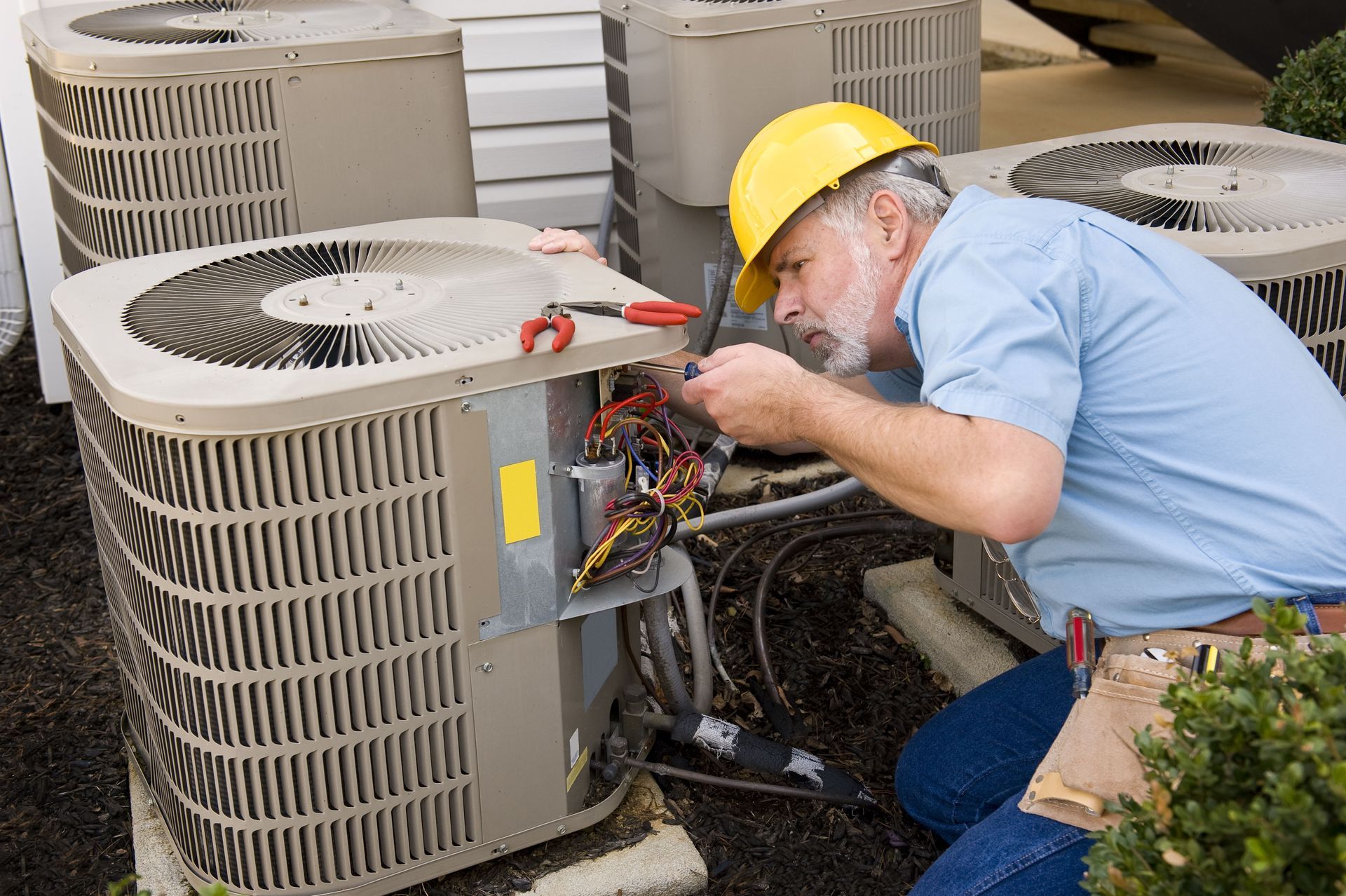
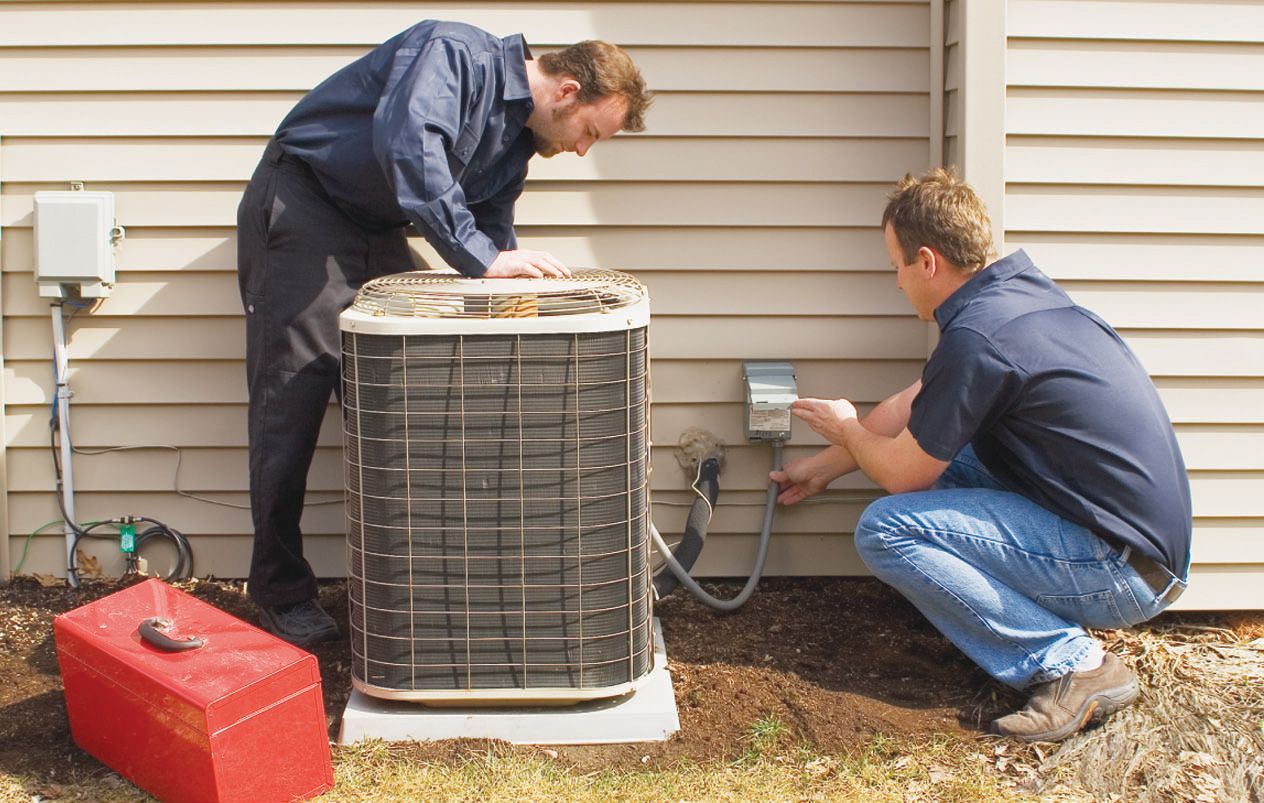
Inefficiencies in HVAC systems can stem from several common causes, including outdated equipment, inadequate maintenance, and improper installation. According to HVAC.com, you should consider a commercial AC system replacement after 10 to 12 years of use. Older systems often lack the advancements seen in modern equipment, leading to reduced performance and higher energy use. Regular wear and tear without timely servicing can also undermine system efficiency, causing components to work harder than necessary. An improperly sized system can exacerbate inefficiencies, as an oversized unit may short-cycle, while an undersized one may fail to meet heating or cooling demands. Recognizing these primary causes is crucial for mitigating inefficiencies and optimizing system performance.
As HVAC systems age, they naturally become less efficient, contributing to a gradual decline in operational efficacy. One type of inefficiency is energy waste due to outdated technology, where older systems consume more power for the same output. Ineffective airflow distribution is another issue, leading to uneven temperature regulation within a building. Moreover, component-specific inefficiencies can arise, such as blower motor problems or refrigerant leaks, each curtailing system performance. Understanding the types of inefficiencies in progress can help businesses prioritize areas for improvement.
To identify inefficiencies, a variety of diagnostic tools and techniques can be employed. Advanced diagnostic tools such as thermal imaging cameras and digital manometers provide insights into potential issues like air leaks or pressure imbalances. Regular performance assessments using these tools help technicians pinpoint inefficiencies and suggest corrective actions. Moreover, building management systems equipped with data analytics can monitor HVAC performance in real-time, allowing for timely interventions. Conducting thorough diagnostics is essential for maintaining optimal efficiency and extending the life of HVAC systems.
Financial Implications
Inefficient HVAC systems often lead to significantly higher operational costs for businesses. Increased energy consumption due to inefficient systems results in elevated utility bills, draining financial resources. Inefficiencies also contribute to higher repair expenses as systems require more frequent service interventions. Moreover, the energy waste associated with inefficiencies often goes unnoticed until it accumulates into considerable expenses. Businesses must recognize that investing in efficiency improvements can ultimately reduce operational costs and yield substantial savings over time.
One of the most immediate financial burdens of inefficient HVAC systems is the hike in energy bills. Systems that fail to operate at optimal efficiency consume extra energy, often resulting in staggering electricity costs. This increased energy demand not only impacts the bottom line but also reflects inefficiencies that could be addressed. With energy prices consistently on the rise, inefficient HVAC systems can severely affect a company's financial health. Addressing energy inefficiencies is crucial for businesses looking to manage their operational expenditures effectively.
The long-term financial impact of inefficient HVAC systems extends to maintenance and repair costs. Systems struggling with inefficiencies often require more frequent service checks and component replacements, driving up maintenance expenses. This recurring need for service not only incurs costs but also disrupts business operations. Additionally, neglecting inefficiencies can lead to significant repair bills when system failures occur unexpectedly. Strategic maintenance and timely efficiency improvements can reduce these long-term financial burdens associated with inefficient systems.
Environmental Impact
Inefficient HVAC systems contribute significantly to a building's carbon footprint due to excessive energy consumption. The increased power usage associated with inefficiencies results in higher greenhouse gas emissions. Buildings with inefficient systems are often responsible for a disproportionate share of carbon emissions in commercial areas. Addressing these inefficiencies is vital for reducing energy use and minimizing environmental impact. Upgrading to more efficient systems can help businesses align with sustainability goals and reduce their overall carbon footprint.
The contribution of an inefficient
HVAC system to climate change cannot be overlooked. Excessive energy consumption from these systems leads to increased fossil fuel burning, contributing to global warming. HVAC systems account for a substantial portion of a building's energy use, amplifying their role in addressing climate challenges. Moreover, refrigerants used in older systems may have high global warming potential (GWP), exacerbating environmental impacts. Transitioning to efficient systems and low-GWP refrigerants is paramount in combating climate change.
The production of HVAC equipment contributes to resource depletion, a growing environmental concern. Manufacturing inefficient systems often entails higher material usage, leading to increased resource consumption. The demand for metals and other materials in HVAC production places pressure on natural resources, with inefficient systems requiring more frequent replacements. Sustainable production practices and efficiency-oriented designs can help mitigate this environmental impact. Businesses can play a role by supporting manufacturers prioritizing resource efficiency and sustainability in their production processes.
Health and Comfort Issues
Inefficient HVAC systems can severely compromise indoor air quality (IAQ), impacting occupant health and well-being. Dust, allergens, and pollutants can accumulate in poorly maintained systems, circulating throughout a building and posing respiratory risks. Insufficient ventilation stemming from inefficiencies often exacerbates IAQ issues, leading to the buildup of indoor toxins. Continuous poor air quality can result in health complications for occupants, reducing workplace productivity and satisfaction. Efficient HVAC systems with proper filtration can help maintain healthy IAQ and improve overall occupant wellness.
Temperature variability is a common discomfort in buildings with inefficient HVAC systems, affecting occupant comfort and performance. Heat distribution issues can result in hot or cold spots, making some areas uncomfortable or unusable. This variability can distract employees, reduce concentration, and impact overall productivity in a workplace. Additionally, discomfort due to uneven temperature regulation can lead to frequent thermostat adjustments, further driving inefficiencies. Addressing temperature variability through HVAC efficiency improvements ensures a consistent, comfortable indoor environment beneficial to both employees and clients.
Noisy HVAC systems are another consequence of inefficiencies, contributing to indoor noise pollution that can affect productivity and comfort. Malfunctioning or outdated components often generate excessive noise, disrupting work environments and increasing stress levels. Prolonged exposure to noisy systems can cause concentration issues, headaches, or sleep disturbances in occupants. Addressing noise-related inefficiencies involves replacing or upgrading noise-generating components and optimizing system operations. Businesses can foster quieter, more conducive workspaces by prioritizing the reduction of HVAC-related noise pollution.
Technological Advancements
The HVAC industry has witnessed significant technological innovations designed to enhance efficiency and performance. Advanced compressor designs, such as variable-speed compressors, allow HVAC systems to adapt to real-time heating and cooling demands, delivering optimal performance with reduced energy use. Modern HVAC systems also feature enhanced heat exchange technologies, improving heat transfer and reducing operational losses. These innovations contribute to substantial improvements in system efficiency, significantly lowering energy consumption and operational costs. Investing in these technologies offers businesses an opportunity to realize significant efficiency gains within their operations.
Integrating HVAC systems with renewable energy sources presents a substantial opportunity for enhancing efficiency while reducing environmental impacts. Utilizing solar-powered HVAC systems alleviates stress on electrical grids and reduces dependency on fossil fuels. Geothermal solutions offer another energy-efficient alternative, utilizing Earth's thermal energy to support HVAC operations. The shift towards renewable integration signifies a promising trend in sustainable HVAC solutions, balancing cost savings with reduced carbon footprints. Businesses prioritizing this integration can lead to sustainable practices, reaping both economic and environmental benefits.
Addressing inefficiencies in HVAC systems is of paramount importance for businesses aiming to reduce costs, enhance sustainability, and improve work environments. This article highlights the multifaceted impacts of inefficient systems, spanning financial burdens, environmental concerns, and health and comfort issues. By understanding and implementing strategies for efficiency improvements, businesses can realize substantial long-term benefits, including cost savings, regulatory compliance, and improved employee satisfaction. Companies must invest in efficient HVAC solutions, thereby securing a more sustainable and profitable future. Contact our professionals at Scientific Building Automation today for more information.