April 23, 2026
Building comfort affects far more than indoor temperature. It influences employee focus, customer satisfaction, equipment reliability, and long-term operating costs. In commercial and multi-use properties, heating and cooling systems work behind the scenes every day to maintain the environment people depend on. When those systems are not operating efficiently, the building can feel uneven, stale, noisy, or difficult to manage. That is why many property owners and facility managers turn to an HVAC system expert to evaluate performance and identify practical solutions. With the right guidance, building systems can support healthier air quality, steadier temperatures, and more dependable operation.
Improving Airflow Throughout the Building
Balanced airflow is one of the most important parts of indoor comfort, yet it is often overlooked until problems become obvious. Some rooms may feel too warm, while others stay chilly no matter how often the thermostat is adjusted. These issues are not always caused by the main equipment itself. In many cases, the problem involves blocked vents, poor duct design, pressure imbalances, or failing components that reduce the movement of conditioned air.
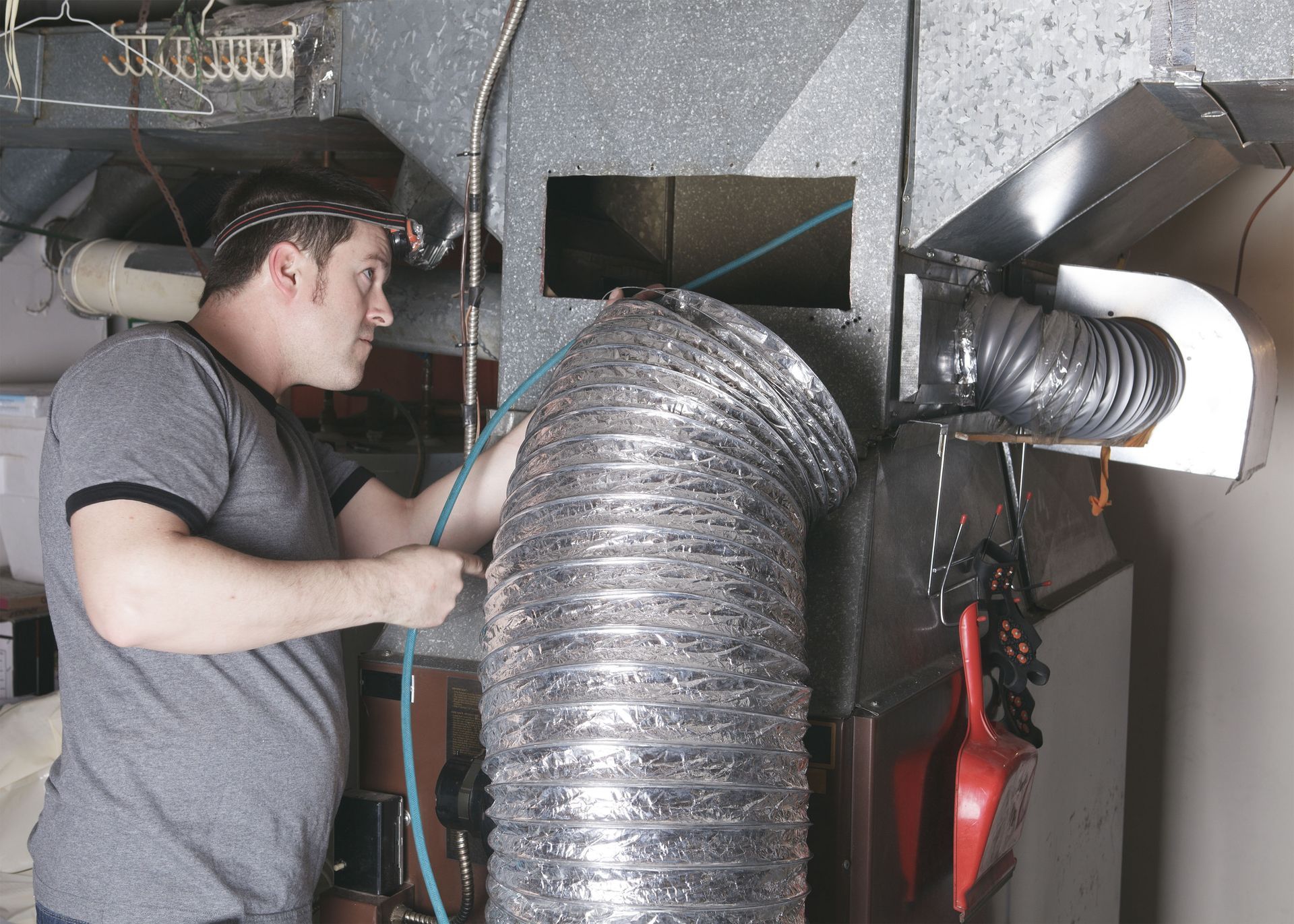
An HVAC system expert can assess how air is distributed through the building and determine whether the system is delivering the right amount of heating or cooling to each area. This process may involve inspecting ductwork, testing static pressure, checking filters, and reviewing how the system responds during peak demand. According to WebFX, up to 30% of the air in an HVAC system can be lost through improperly sealed connections. That level of waste can make it much harder to maintain consistent comfort, especially in larger properties with multiple zones or long duct runs.
When airflow is corrected, occupants often notice fewer hot and cold spots, better circulation, and a more stable indoor environment. Improved airflow can also reduce strain on equipment by allowing the system to operate the way it was designed to function.
Enhancing Energy Efficiency Across Operations
Energy efficiency is a major concern for property owners because heating and cooling costs can account for a large share of monthly utility expenses. An inefficient system may run longer than necessary, cycle too frequently, or consume more power while delivering weaker results. These patterns may seem normal at first, especially in older buildings, but they often signal a need for professional attention.
An HVAC system expert can help identify where efficiency losses are occurring and recommend targeted improvements. That may mean recalibrating controls, replacing worn parts, sealing leaks, or improving insulation around critical components. The issue may also involve outdated equipment that no longer matches the building’s current usage needs. Even a well-maintained system can become inefficient if the building has changed over time through renovations, added occupants, or new technology loads.
Optimizing efficiency is not only about lowering bills. It also helps support more predictable performance during demanding weather conditions. A building that uses energy wisely is often easier to manage because the system is not constantly overcompensating for hidden deficiencies.
Strengthening Temperature Control in Every Zone
Modern buildings rarely have identical heating and cooling needs from one area to the next. Offices with direct sun exposure, conference rooms with heavy occupancy, storage areas, and equipment rooms all place different demands on the system. Without careful planning, one thermostat setting can leave certain spaces uncomfortable while others receive more conditioning than they need.
An HVAC system expert understands how zoning, thermostat placement, system sizing, and control strategy affect daily comfort. Rather than making broad adjustments that treat the entire property the same way, a professional can fine-tune how specific areas receive conditioned air. This approach is especially valuable in buildings where comfort complaints are frequent or where occupancy patterns shift throughout the day.
Better temperature control can improve the experience of everyone using the space. Employees are more likely to stay focused in a comfortable environment, and visitors tend to view the property more positively when the indoor climate feels consistent and well managed. Thoughtful zone management can also prevent unnecessary runtime in areas that do not need constant conditioning.
Supporting Healthier Indoor Air Quality
Comfort is not only about temperature. Indoor air quality plays a major role in how a building feels, smells, and functions. Dust buildup, excess humidity, stale air, and inadequate ventilation can create an environment that feels heavy or unpleasant, even when the thermostat reading appears normal. In some cases, poor air quality may also contribute to irritation, odors, or recurring maintenance concerns.
An HVAC system expert can examine how ventilation, filtration, and humidity control work together within the property. This may include reviewing filter quality, inspecting air handlers, checking outdoor air intake, and confirming that moisture levels remain within a reasonable range. Buildings with poor airflow or neglected system components can circulate contaminants instead of removing them, which affects occupant comfort and environmental quality.
When indoor air quality improves, the building often becomes more inviting and easier to occupy for extended periods. Cleaner, properly conditioned air can help reduce stuffiness and improve the atmosphere of shared spaces. A proactive strategy led by an HVAC system expert can help building owners address air quality concerns before they become larger operational problems.
Preventing System Strain Before It Escalates
Many heating and cooling issues begin as minor inefficiencies that gradually grow into more expensive problems. A loose connection, dirty coil, failing sensor, or unbalanced airflow pattern may not cause an immediate shutdown, but it can force the system to work harder over time. As that strain increases, performance often declines and repair needs become more urgent.
An HVAC system expert can detect these warning signs early and recommend corrective action before major damage occurs. Preventive evaluations allow building owners to address wear patterns, verify component condition, and improve system settings while the equipment is still operational. This is especially valuable for facilities that cannot afford long periods of downtime or sudden comfort disruptions.
Reducing strain helps extend the useful life of HVAC equipment and supports more dependable planning for maintenance and budgeting. Instead of reacting to emergencies, property managers can make informed decisions based on the system’s actual condition.
Aligning Building Performance With Long-Term Goals
A heating and cooling system should support the broader goals of the property, not work against them. Whether the priority is reducing operational costs, improving tenant satisfaction, protecting valuable equipment, or preparing for future growth, HVAC performance plays a central role. The most effective solutions consider the full context of the building rather than focusing on a single symptom.
An HVAC system expert can help translate technical findings into actionable steps that match the needs of the property. That might include short-term repairs, control upgrades, airflow improvements, or recommendations for phased system modernization. By taking a broader view, building owners can prioritize changes that deliver measurable value instead of relying on temporary fixes that fail to address the real issue.
Long-term building performance depends on consistency, adaptability, and informed decision-making. When heating and cooling systems are properly evaluated and optimized, the property becomes more comfortable, efficient, and reliable for the people who use it every day. A strategic partnership with an HVAC system expert makes it easier to maintain that standard while planning responsibly for the future. Call Scientific Building Automation to talk to an HVAC system expert and schedule your consultation.