May 13, 2026
When heating or cooling systems fail, the problem is rarely obvious on the surface. Modern HVAC systems are interconnected networks of mechanical, electrical, and digital components that require structured analysis to diagnose correctly.
HVAC system experts rely on a combination of technical knowledge, advanced tools, and systematic troubleshooting methods to identify the root cause of complex issues. Their process ensures efficiency, reduces downtime, and helps maintain safe indoor environments for commercial and industrial buildings.
Diagnosing System Performance Issues
The first step when investigating complex malfunctions is evaluating overall system performance. This includes checking temperature consistency, humidity levels, energy usage patterns, and system cycling behavior. Even small deviations from expected performance can indicate deeper mechanical or control-related issues.
In many cases, technicians begin by comparing current operating data against baseline performance metrics. These baselines are typically established during installation or after major maintenance work. When discrepancies appear, HVAC system experts can narrow down potential causes more efficiently.
Common performance indicators include:
- Uneven temperature distribution across zones
- Frequent short cycling or continuous running
- Unexpected increases in utility consumption
- Inconsistent humidity control
By reviewing these early signals, it can be determined whether the issue is likely mechanical, electrical, or control-based before proceeding with deeper diagnostics.
Inspecting Mechanical Components and Controls
Once initial performance concerns are identified, the next step is a detailed inspection of mechanical components. This stage focuses on essential equipment, including compressors, fans, coils, dampers, and motors. Wear and tear, improper lubrication, vibration issues, or component failure can significantly reduce system efficiency and lead to unexpected breakdowns.
Control systems are also evaluated during this stage. Modern HVAC systems often rely on programmable logic controllers and integrated sensors to regulate operation. If these controls malfunction, drift out of calibration, or experience communication errors, overall system performance can degrade quickly and unpredictably.
Technicians frequently assess:
- Belt tension and motor alignment
- Coil cleanliness and heat exchange efficiency
- Valve and damper responsiveness
- Control board communication signals
- Electrical connection stability and grounding integrity
A thorough mechanical inspection helps determine whether the issue stems from physical degradation, environmental strain, or miscommunication in controls. This distinction is critical for developing an effective repair strategy and ensuring that corrective actions address the true root cause rather than just surface-level symptoms.
Analyzing Sensor Data and Building Automation Systems
Modern buildings depend heavily on digital monitoring systems, so professionals in this field must also be skilled at interpreting sensor data and building automation outputs. These systems provide real-time insights into temperature, airflow, pressure, humidity levels, and equipment status across multiple zones, often updating every few seconds. In commercial buildings, HVAC systems use roughly 40% of total energy, making them the biggest individual energy-consuming component, according to HVAC Systems Encyclopedia:
When working with automation systems, technicians typically:
- Review system alerts and fault codes
- Analyze trends in temperature and pressure over time.
- Check communication between sensors and controllers.
- Verify calibration accuracy across monitoring devices.
- Evaluate historical performance data for recurring patterns.
A company that specializes in integrating and maintaining these systems, ensures that data collected from HVAC equipment is both accurate and actionable. By interpreting this information correctly, hidden inefficiencies, intermittent faults, and developing system failures can be identified early, often before they impact occupant comfort or energy efficiency.
Identifying Airflow and Ductwork Inefficiencies
Airflow problems are among the most common yet complex issues in HVAC systems. Even when mechanical components function properly, poor airflow distribution can lead to uneven heating or cooling, reduced efficiency, and occupant discomfort.
HVAC system experts use a combination of visual inspections and diagnostic tools to evaluate ductwork and airflow pathways. They look for restrictions, leaks, or imbalances that could disrupt system performance.
Key areas of focus include:
- Blocked or collapsed duct sections
- Air leaks at joints or seals
- Improperly sized ductwork
- Dirty or obstructed air filters
In addition, airflow balancing tests help determine whether each zone receives the correct volume of conditioned air. If imbalances are detected, adjustments are made to dampers or fan speeds to restore proper distribution. HVAC system experts rely on these evaluations to ensure that air moves efficiently throughout the entire building.
Evaluating Electrical and Refrigeration Systems
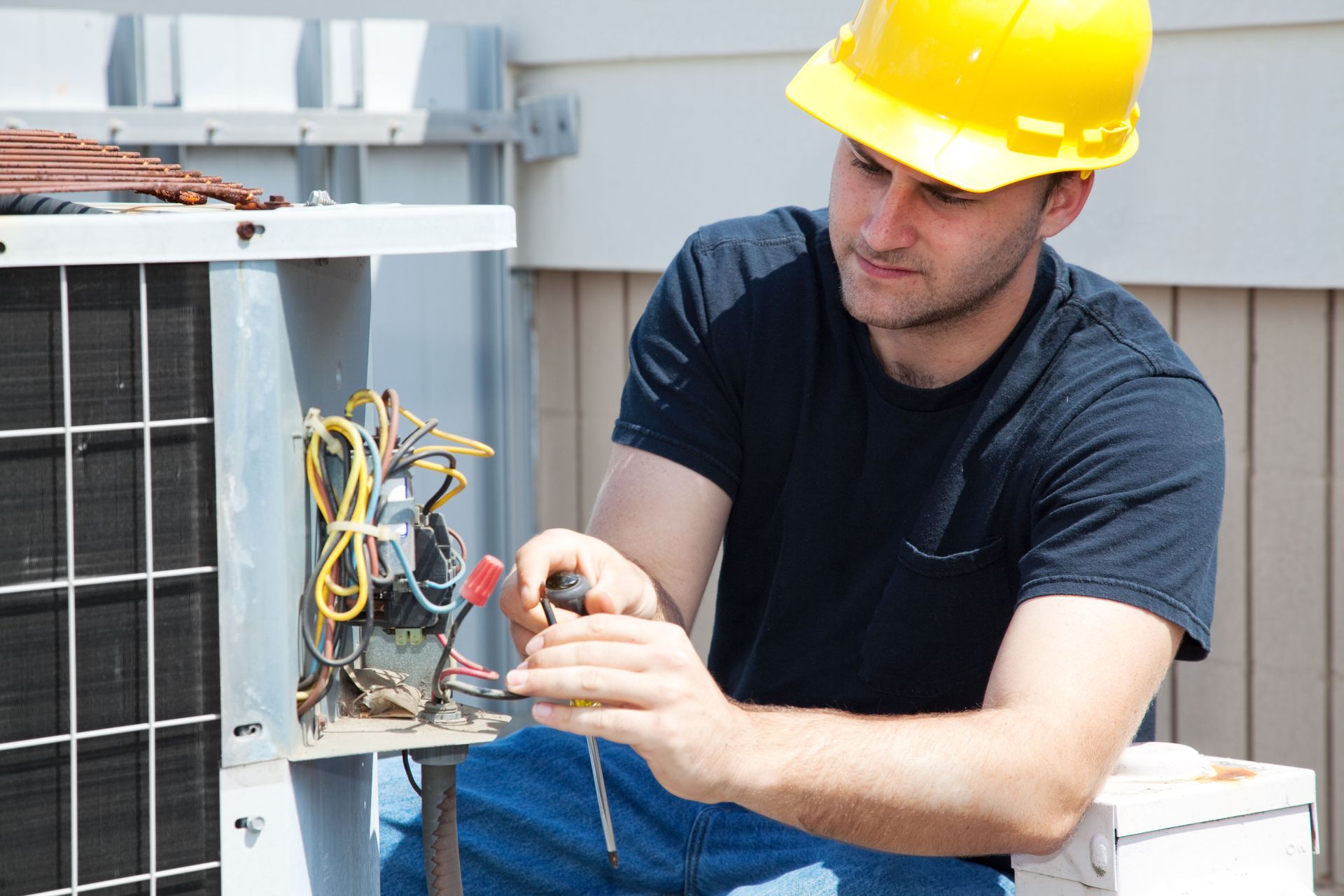
Electrical and refrigeration components are critical to HVAC operation, and failures in these systems can be difficult to diagnose without specialized expertise. HVAC system experts carefully inspect wiring, circuits, and refrigerant lines to identify potential faults.
Electrical diagnostics often involve checking voltage levels, continuity, and signal integrity between system components. Faulty wiring or unstable power supply can cause intermittent failures that are difficult to trace without systematic testing.
Refrigeration system evaluation typically includes:
- Measuring refrigerant pressure levels
- Checking for leaks in coils and connections
- Assessing compressor performance
- Verifying expansion valve operation
Even minor refrigerant imbalances can significantly reduce system efficiency. HVAC system experts ensure that all electrical and refrigeration components are functioning within manufacturer specifications to maintain optimal performance and prevent long-term damage.
Applying Advanced Diagnostic Tools and Software
As HVAC systems become more advanced, diagnostic methods have evolved to include sophisticated software and digital tools. Modern technicians now rely heavily on data-driven analysis to identify issues that are not immediately visible through physical inspection alone, especially in large commercial environments with multiple interconnected systems.
These tools allow technicians to:
- Monitor real-time system performance remotely.
- Run predictive maintenance analytics.
- Identify inefficiencies before they become failures.
- Simulate system behavior under different load conditions.
- Track long-term performance trends for optimization.
Building automation platforms play a key role in this process. They provide centralized access to system data, enabling multiple components to be evaluated simultaneously across different zones and operational conditions.
By integrating software-based diagnostics with hands-on inspection, technicians can achieve greater accuracy and efficiency in problem-solving. This hybrid approach reduces downtime, improves energy efficiency, and helps prevent recurring system failures.
Coordinating Repairs and Preventive Strategies
Once the root cause of an issue has been identified, a targeted repair plan is developed. This may involve replacing faulty components, recalibrating sensors, or adjusting system controls. In more complex cases, multiple corrective actions may be required to fully restore system performance and ensure consistent operation across all connected equipment.
Preventive maintenance is also a key part of this stage. Rather than focusing solely on immediate repairs, long-term strategies are often recommended to reduce the likelihood of future issues and extend the overall lifespan of the system.
These strategies may include:
- Scheduled system inspections and tune-ups
- Regular filter replacements and coil cleaning
- Software updates for control systems
- Performance benchmarking and trend analysis
- Routine sensor calibration and system testing
Scientific Building Automation supports these efforts by providing ongoing monitoring and maintenance services that help building owners maintain system reliability, improve energy performance, and ensure efficiency year-round.
Diagnosing complex HVAC issues requires a structured and highly technical approach that combines mechanical expertise, digital analysis, and system-wide evaluation. HVAC system experts play a critical role in ensuring that commercial and industrial buildings remain comfortable, efficient, and safe. By using advanced diagnostic tools, interpreting building automation data, and conducting thorough inspections, they can identify problems that might otherwise go unnoticed.
As HVAC technology continues to evolve, the importance of skilled professionals will only increase in maintaining system performance and energy efficiency. For reliable support, diagnostics, and long-term system optimization, trust Scientific Building Automation.