April 30, 2026
Understanding the significance of having knowledge about local HVAC systems is crucial for homeowners and businesses alike. Local HVAC systems not only provide comfort but are tailored to the community's specific climate and building structures. Familiarity with local HVAC options means more than just convenience; it embodies efficiency, sustainability, and supporting local businesses. This article explores the multifaceted benefits of being knowledgeable about nearby HVAC systems and services.
1. What are Local HVAC Systems?
Understanding HVAC Basics
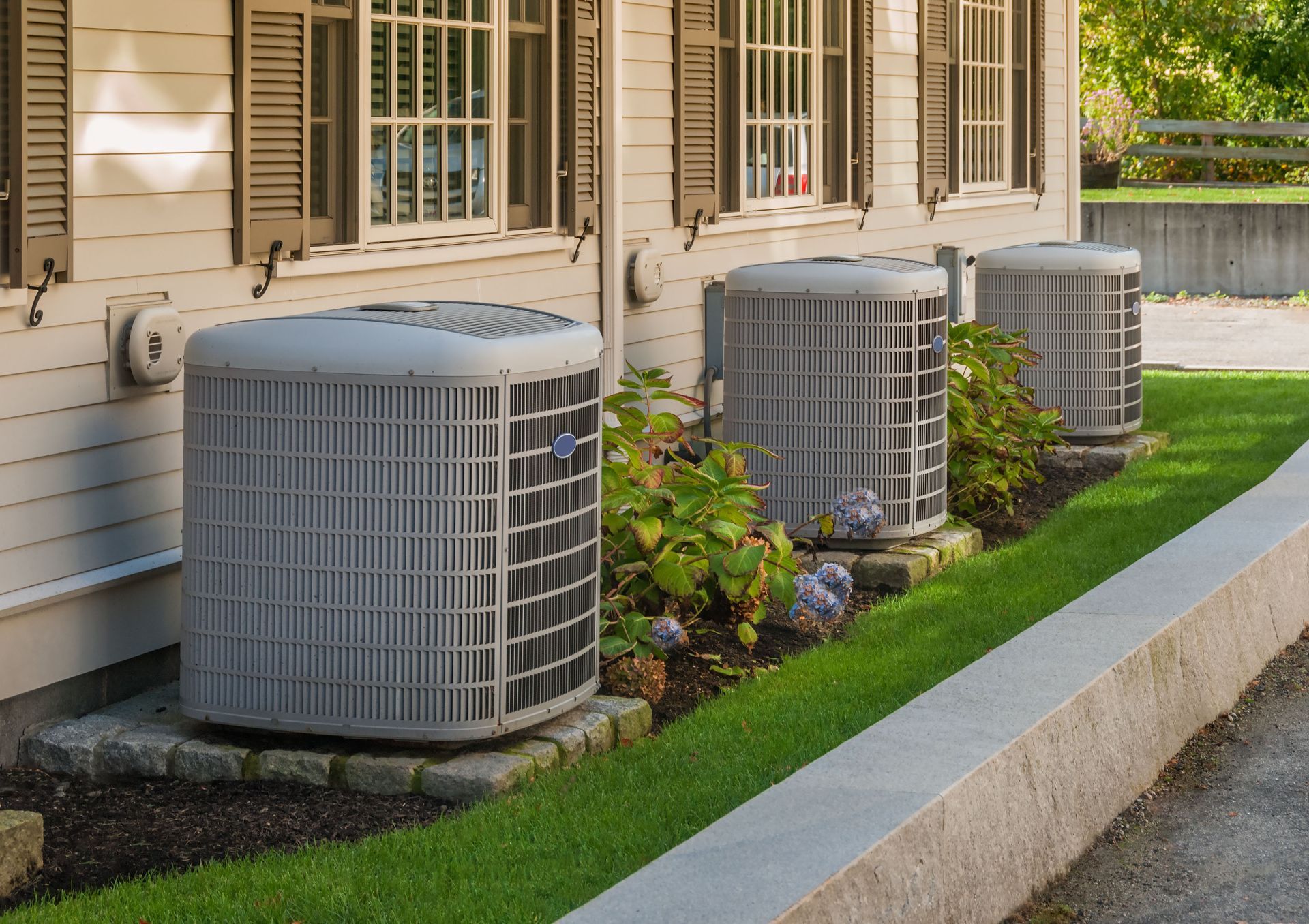
HVAC stands for Heating, Ventilation, and Air Conditioning, essential systems designed to ensure indoor comfort. These systems manage the air quality, temperature, and humidity within homes and commercial spaces. Local HVAC systems are adapted to address the specific environmental factors typical of a particular region or community. Understanding how these systems operate is the first step towards maximizing their efficiency and longevity.
Local HVAC systems also comply with regional building codes and standards, ensuring safe and suitable installations. By aligning with local needs, these systems minimize energy waste and contribute to a more sustainable environment. Implementing an efficient HVAC system can greatly reduce a home's carbon footprint, offering both economic and ecological benefits. Awareness of the local HVAC landscape helps in making informed decisions about installation, maintenance, and upgrades.
Choosing a local HVAC system ensures better adaptability and service continuity in case of breakdowns. It also facilitates easy access to parts and service personnel familiar with the specific systems installed. This familiarity reduces the potential downtime and associated costs of HVAC failures. Therefore, understanding local HVAC basics is essential for maintaining an efficient and functioning household or commercial space.
Types of HVAC Systems
There are various types of HVAC systems catered to different needs and environments, including split systems, hybrid systems, duct-free systems, and packaged heating and air systems. Split systems are the most common, offering separate indoor and outdoor components. Hybrid systems are energy-efficient alternatives that combine traditional and electric resources. Knowing these types helps in choosing the right system based on a property’s structural and environmental requirements.
Duct-free systems provide individual temperature controls in different areas of a building, ideal for homes without existing ductwork. Packaged heating and air systems are generally used in warmer regions where separate outdoor units become unnecessary. According to Bryant, a well-maintained gas furnace typically lasts 15–25 years. Each type has its unique advantages and selection criteria based on efficiency, installation complexity, and specific needs. Understanding the diverse types of HVAC systems available locally is vital for selecting the best option to cool or heat your spaces.
Local HVAC vendors frequently provide installation and servicing for these various systems, ensuring that customer needs are met efficiently. Familiarity with these types allows consumers to engage in meaningful discussions with local contractors about the most suitable solutions. Correctly identifying the type of system required can significantly impact the initial cost, the complexity of installation, and ongoing maintenance needs. Thus, the knowledge of the different types of HVAC systems is indispensable for an optimized indoor environment.
2. Why is it Important to Know Where to Find Local HVAC Systems?
Benefits of Local HVAC Vendors
Engaging local HVAC vendors provides numerous benefits, including personalized customer service and industry insight specific to the region. Local contractors possess an understanding of community-specific needs and are adept in providing systems that are tuned for maximum efficiency under local conditions. These vendors offer tailored solutions that reduce operational costs and improve system longevity. Their proximity also facilitates easier communication and scheduling, resulting in a smoother service experience.
Local vendors are invested in maintaining positive reputations within their communities and often go the extra mile to ensure customer satisfaction. This commitment to quality service is frequently backed by strong word-of-mouth recommendations and reliable testimonials. The ability of local contractors to understand the intricacies of a particular region's demands positions them as valuable advisors. By choosing local expertise, customers can achieve energy savings and enhanced systems that deliver optimal comfort.
Additionally, local vendors ensure adherence to regional building codes and environmental standards, working closely with municipal entities. This knowledge helps prevent compliance issues that could lead to costly rectifications. Furthermore, contracting local professionals supports the economic sustainability of the community, circulating investment back into the area. Thus, the choice to work with local HVAC vendors extends beyond mere convenience, yielding broader social and economic benefits.
Cost-Effectiveness of Proximity
The proximity of local HVAC providers often translates to cost savings for installation, maintenance, and repair services. Reduced travel costs and logistical challenges decrease the overall expenses related to procuring HVAC services. Local vendors also tend to have strong relationships with suppliers, which can lead to discounted prices on components and materials. These financial incentives reflect the practicality of procuring HVAC services locally.
Timely maintenance carried out by nearby technicians ensures systems continue to run efficiently, avoiding costly breakdowns or replacements. Regular servicing maximizes energy efficiency, contributing to lower utility bills for property owners. As Bryant notes, a well-maintained gas furnace typically lasts between 15–25 years, emphasizing the importance of consistent upkeep from local experts. Therefore, local HVAC systems’ cost-effectiveness arises from the seamless integration of timely service and economic considerations.
Beyond direct cost savings, investing in local vendors fosters long-term relationships with service providers invested in keeping customers satisfied. These relationships can result in additional perks, such as loyalty discounts, free service evaluations, or extended warranties. Consequently, the economic benefits of local HVAC systems become apparent not only in their initial investment but through their ongoing service life. Engaging with local providers is both a financially and strategically sound decision for ensuring efficient heating and cooling services.
3. How to Identify Reliable Local HVAC Contractors?
Checking Credentials and Certifications
When seeking reliable local HVAC contractors, validating credentials and certifications is a crucial first step. Reputable contractors are typically licensed, bonded, and insured, demonstrating their professionalism and authority to operate. Certifications from recognized industry organizations, such as NATE (North American Technician Excellence), signify a contractor’s commitment to maintaining high competency standards. Proactively checking these qualifications helps ensure informed and secure engagements with service providers.
Additionally, local HVAC professionals often participate in ongoing training to remain updated on the latest technological advancements and industry standards. This continuous education maintains their competitive edge and ensures service excellence for customers. Validating a contractor’s credentials also includes verifying their adherence to local building codes and ecological regulations. Such diligence fosters strong foundations for long-term business relationships and guarantees integrity in service provision.
Reading Customer Reviews and Testimonials
Customer reviews and testimonials offer invaluable insights into the real-world experiences of others, helping to gauge a local HVAC contractor's reliability. Online platforms, such as Yelp or the Better Business Bureau, provide consumer-generated feedback and ratings that reflect service quality and client satisfaction. Reading these reviews helps identify consistent service patterns, enabling potential customers to foresee potential advantages or shortcomings. This transparency helps build trust and confidence in choosing the right local HVAC vendor.
It is also important to consider the tenor and details of messages shared by reviewers. Comprehensive reviews detailing specific incidents, service quality, and timely interventions offer pertinent information about a contractor's response capabilities and expertise. Positive word-of-mouth within local community networks is often an indicator of strong reputational standing. By considering authentic testimonials from previous clients, property owners can make informed decisions based on the historical performance of service providers.
In cases where local HVAC providers maintain their own web pages, testimonials can frequently be found there; however, ensuring the reviews are unbiased and genuine is essential. Some vendors may highlight select testimonials, while independent review platforms provide a broader perspective. Aggregating insights from multiple sources helps in gaining a balanced view of potential contractors. Ultimately, reading and analyzing customer reviews becomes a key aspect of the decision-making process in selecting reliable services.
Knowing where to find local HVAC systems and providers enhances your ability to ensure optimal heating and cooling while supporting community businesses. This informed decision-making results in better service quality and customer satisfaction, highlighting the essential nature of local knowledge in this field. Local HVAC systems offer numerous advantages, from customized, energy-efficient solutions to reliable service provision, all while contributing to local economic sustainability. Embracing local expertise in HVAC systems empowers both individuals and communities with the consistent comfort and confidence needed for successful living and working environments. Reach out to Scientific Building Automation today to see how we can help you!