March 9, 2026
Upgrading the heating and cooling infrastructure of a commercial property is a significant investment that requires thoughtful planning and coordination. Whether your building is experiencing uneven temperatures, rising energy bills, or frequent equipment breakdowns, a system upgrade can deliver measurable improvements. Understanding what to expect during the process allows business owners and facility managers to prepare for each phase with clarity and confidence. With the right approach, a system upgrade can enhance comfort, improve efficiency, and extend equipment lifespan.
A commercial system upgrade focuses on upgrading or modifying existing HVAC systems rather than installing brand-new infrastructure in new construction. This approach allows organizations to improve performance while leveraging parts of their current setup. Because commercial properties often operate on strict schedules, careful coordination is required to minimize disruption. Knowing the stages involved helps stakeholders anticipate timelines, budget considerations, and operational adjustments.
Evaluating Current System Performance
The system upgrade process begins with a comprehensive evaluation of the building’s existing mechanical infrastructure. Technicians assess equipment condition, airflow patterns, and overall energy usage to identify inefficiencies. This step provides a clear snapshot of how well the current setup is meeting the building’s heating and cooling demands. Accurate diagnostics are essential before any upgrades can be recommended.
During the assessment, professionals closely examine HVAC systems to determine where performance gaps exist. They may review maintenance records, conduct airflow measurements, and analyze historical utility data. This information helps pinpoint aging components and operational weaknesses. A detailed evaluation lays the groundwork for a system upgrade plan that targets real performance challenges.
In addition to equipment inspections, specialists often evaluate insulation levels, building envelope integrity, and ventilation effectiveness. Poor insulation or air leakage can place unnecessary strain on climate control equipment and increase operating costs. Identifying these contributing factors ensures that improvements address root causes rather than symptoms. A holistic review leads to smarter investment decisions and stronger long-term results.
Designing a Customized Upgrade Plan
After the evaluation, engineers develop an upgrade strategy tailored to the building’s unique requirements. Every commercial facility has different occupancy levels, structural layouts, and energy demands. A customized plan ensures that improvements align with operational goals and budget constraints. Clear planning reduces the risk of unexpected complications later in the project.
This phase may involve selecting higher-efficiency equipment, redesigning duct configurations, or updating ventilation strategies. Engineers calculate heating and cooling loads to confirm that HVAC systems will operate efficiently without being improperly sized. Detailed project timelines and cost projections are also established. Careful planning ensures that each upgrade contributes to measurable performance improvements.
Design teams may also explore rebate opportunities, tax incentives, and sustainability certifications that can offset project costs. Integrating energy modeling tools allows stakeholders to forecast potential savings before installation begins. This financial transparency supports informed decision-making. A well-developed design phase sets the tone for a smooth and successful system upgrade.
Coordinating Installation and Scheduling
Installation is one of the most critical phases of a commercial system upgrade. Since many businesses continue operating during construction, scheduling must be handled carefully. Contractors often phase work in stages or complete installations during evenings and weekends. Strong communication between project managers and facility staff helps maintain productivity and safety.
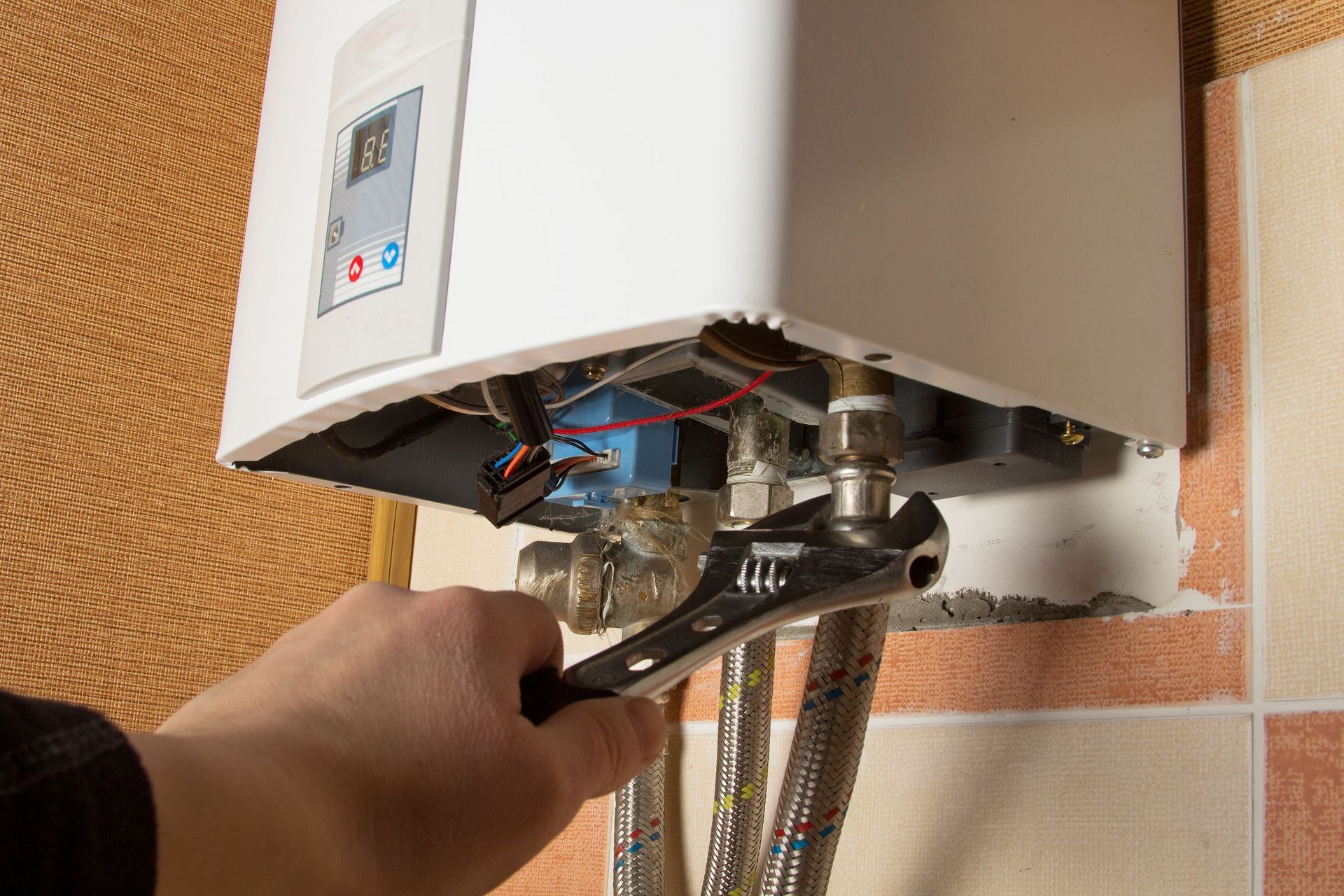
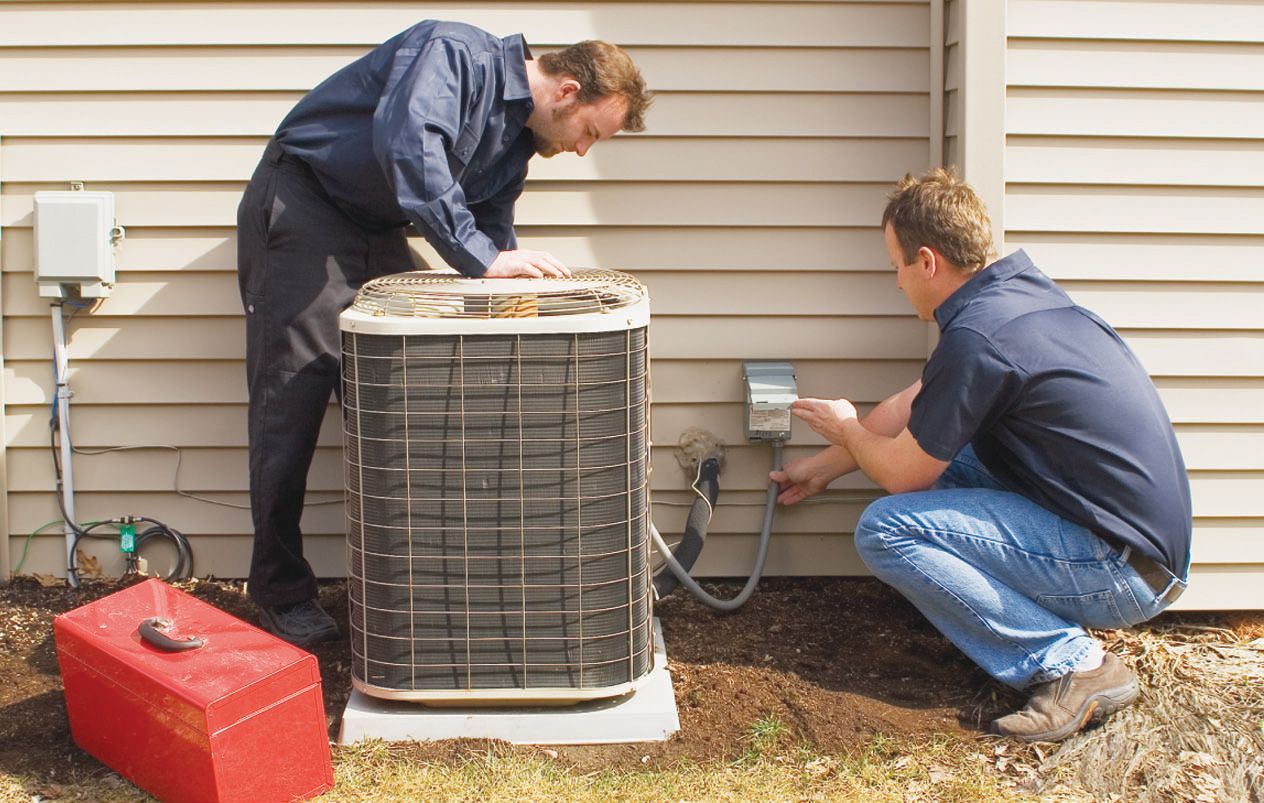
Technicians remove outdated components and install upgraded equipment according to engineered specifications. This may include modifying ductwork, upgrading electrical connections, or reinforcing mounting systems. Throughout the process, crews test newly installed HVAC systems to verify proper integration. Organized scheduling and professional oversight help minimize disruption to daily operations.
Safety protocols are strictly enforced during installation to protect employees and occupants. Work zones are clearly marked, and noise levels are managed whenever possible. Frequent progress updates keep stakeholders informed of milestones and any adjustments to the timeline. Effective coordination ensures that business continuity remains a top priority throughout the system upgrade.
Upgrading Controls and Automation
Modern upgrades frequently include enhancements to building controls and automation technology. Advanced thermostats, occupancy sensors, and centralized control platforms improve precision and responsiveness. These upgrades allow facility managers to monitor performance in real time. Automation supports more consistent indoor comfort and improved operational efficiency.
By integrating smart controls, HVAC systems can automatically adjust to occupancy changes and outdoor temperature fluctuations. This reduces unnecessary energy consumption during low-demand periods. Facility managers gain valuable data insights that support preventative maintenance and energy management strategies. Enhanced automation transforms a system upgrade into a long-term operational advantage.
Automation platforms often provide remote access capabilities, allowing teams to monitor performance from virtually anywhere. Alerts and notifications can signal potential issues before they escalate into costly breakdowns. This proactive approach reduces downtime and enhances reliability. Advanced controls elevate the overall value of the system upgrade investment.
Improving Energy Efficiency and Compliance
Energy efficiency is often the primary motivation behind a commercial system upgrade. Rising utility costs and sustainability initiatives encourage organizations to pursue upgraded solutions. According to HVAC Today, commercial HVAC services account for more than 30% of overall HVAC sales, ranking just behind residential services, while industrial services represent 20%. This statistic reflects the growing demand for high-performance commercial upgrades.
Replacing outdated components within HVAC systems with high-efficiency alternatives can significantly lower operating costs. Upgrades may include variable speed drives, energy recovery ventilators, and advanced compressors. In addition to cost savings, system upgrades often improve compliance with local building codes and environmental standards. Improved efficiency benefits both financial performance and environmental responsibility.
Many organizations also pursue sustainability goals as part of corporate responsibility initiatives. Reducing energy consumption can support environmental reporting and improve public perception. Energy-efficient climate control solutions contribute to healthier indoor environments and improved employee satisfaction. These broader benefits add long-term value beyond immediate utility savings.
Testing Performance and Finalizing Commissioning
After installation is complete, testing and commissioning confirm that the system upgrade meets performance expectations. Technicians verify airflow rates, temperature stability, and system responsiveness. Calibration ensures that sensors and controls provide accurate readings. Proper commissioning guarantees that each component operates cohesively.
Commissioning also includes educating facility personnel on new equipment and control systems. Clear documentation outlines maintenance requirements and warranty information. When HVAC systems are properly commissioned, they deliver consistent comfort and reliability. Final inspections provide reassurance that the project objectives have been achieved.
Performance benchmarks are often established during commissioning to measure long-term success. Comparing post-upgrade data with baseline energy usage demonstrates tangible improvements. This verification process reinforces confidence in the investment. Ongoing monitoring ensures that performance gains are sustained over time.
Maintaining Long-Term Performance
A system upgrade does not conclude when installation is finished. Ongoing maintenance is essential to preserve efficiency and reliability. Preventative service schedules help identify minor issues before they escalate into costly repairs. Regular inspections keep equipment operating at optimal levels.
Partnering with experienced service providers ensures that your equipment continues performing as intended. Routine filter changes, system cleaning, and performance monitoring extend equipment lifespan. Long-term service agreements support proactive care and faster response times. Consistent maintenance protects your system upgrade investment for years to come.
A commercial HVAC system upgrade is a strategic step toward improved performance, energy efficiency, and occupant comfort. By understanding each phase from evaluation to commissioning, building owners can approach the process with confidence. Careful planning and professional execution lead to lasting operational improvements. With the right expertise, a system upgrade becomes a valuable long-term investment.
If your facility is ready for improved efficiency and performance, contact Scientific Building Automation today to discuss upgrading your HVAC systems. The team at Scientific Building Automation can assess your current setup and design a customized upgrade solution tailored to your needs. Reach out now to schedule a consultation and take the next step toward enhanced comfort and energy savings.