November 5, 2026
Manufacturing plants, warehouses, distribution centers, and data centers depend on dozens of systems working together every day. Heating, cooling, ventilation, boilers, motors, and refrigeration equipment all need to run reliably to protect products, people, and processes. When these systems operate independently, facility teams often spend more time reacting to problems than preventing them, and energy costs can climb without anyone noticing until the utility bill arrives. Building automation brings these systems together under one coordinated platform, giving managers better visibility, control, and efficiency. Whether you're upgrading an older plant or planning controls for a new facility, understanding how automation works can help you make smarter decisions for your building and your bottom line.
Understanding What Building Automation Controls
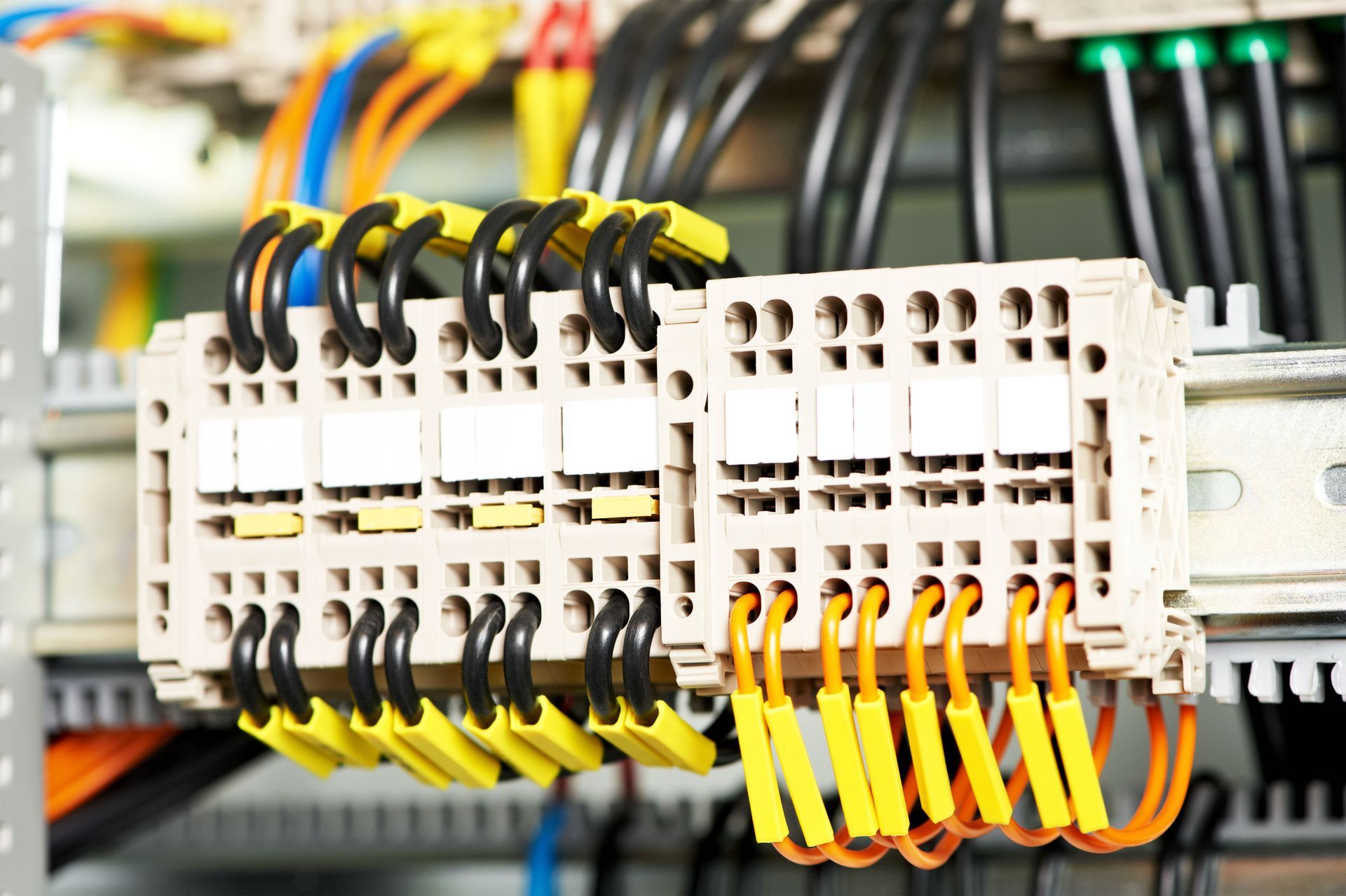
An industrial building automation system connects mechanical, electrical, and environmental equipment so it can be monitored and controlled from a central interface. Instead of adjusting each piece of equipment manually, facility managers can view temperatures, pressures, run times, alarms, and energy use in one place. Schedules can be set so equipment runs only when needed, and setpoints can be adjusted remotely as production demands change throughout the day. Automation is used across many types of buildings. According to Fortune Business Insights, commercial spaces such as offices and retail account for roughly 58% of the automation market. Industrial facilities, however, often have even greater potential for savings because of their large spaces, heavy equipment loads, and long operating hours.
Integrating HVAC and Ventilation Equipment
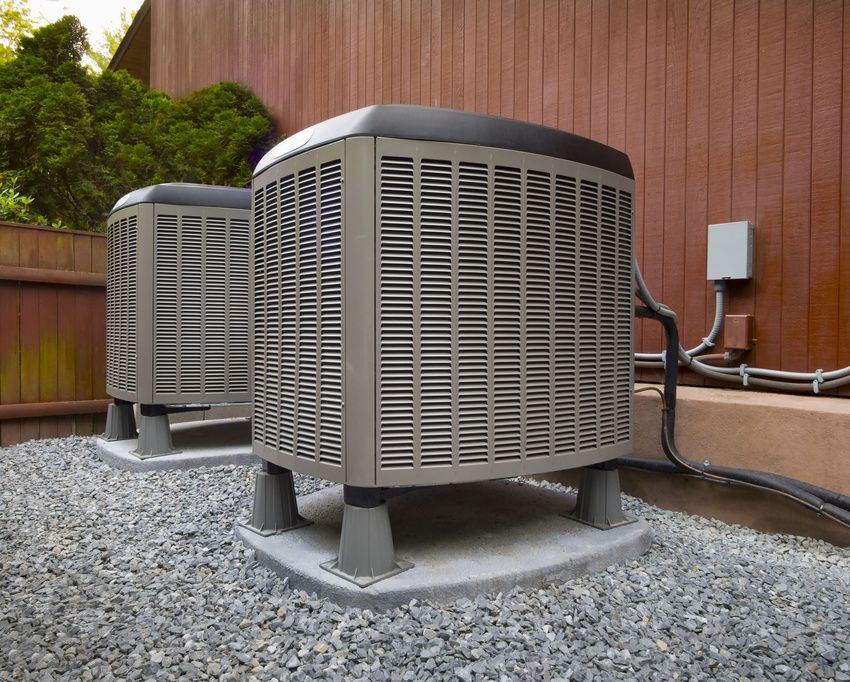
Heating, cooling, and ventilation are among the largest energy users in most industrial buildings. Large open spaces, high ceilings, loading docks, and heat-producing machinery create unique comfort and air quality challenges. Automation allows HVAC equipment to respond to real-time conditions instead of running at full capacity all day. Fresh air make-up units can supply the right amount of outdoor air to replace air exhausted by production processes, helping maintain safe indoor air quality and balanced building pressure. Variable refrigerant flow systems can deliver precise heating and cooling to offices, control rooms, and other zones. When these components are tied into an industrial building automation system, they work together to maintain comfort and safety while avoiding wasted energy. This coordination is especially helpful in facilities where conditions change quickly from one area to the next.
Controlling Motors With Variable Frequency Drives
Pumps, fans, and blowers often run at full speed even when demand is low, which wastes a significant amount of electricity. Variable frequency drives, or VFDs, solve this problem by adjusting motor speed to match actual needs. A ventilation fan, for example, can slow down during light production periods and speed up when heat or fumes increase. Because motor energy use drops sharply at lower speeds, even small reductions can lead to meaningful savings, especially in facilities with dozens of motors running for long shifts. VFDs also reduce mechanical stress during startup, which can extend the life of motors, belts, and bearings. When VFDs are connected to central controls, adjustments happen automatically based on sensor data, schedules, and system demand.
Managing Boilers and Heating Systems
Many industrial facilities rely on boilers for space heating, process heating, or both. Older boilers that cycle on and off inefficiently can waste fuel and struggle to keep up during peak demand. High-efficiency boilers paired with automated controls can adjust output based on outdoor temperatures, building loads, and production schedules. Staging multiple boilers allows the system to bring units online only when they're needed, reducing fuel use and wear. Monitoring water temperatures, pressures, and alarms through an industrial building automation system also helps maintenance teams spot problems early and keep heating systems running reliably through the coldest months. Automated controls can adjust heating schedules around shift changes, weekends, and holidays, so fuel isn't wasted heating empty buildings.
Detecting Refrigerant Leaks Early
Facilities that use refrigeration for cold storage, food processing, or cooling sensitive equipment face serious risks when refrigerant leaks go unnoticed. Leaks can reduce cooling performance, damage equipment, raise energy costs, and create safety and environmental concerns. Commercial Freon leak detection systems continuously monitor for refrigerant in mechanical rooms and other key areas. When integrated with automation controls, these systems can trigger alarms, notify staff, and help isolate the problem quickly. Early detection protects inventory, keeps equipment running efficiently, and supports compliance with refrigerant management requirements. Detailed alarm logs also give maintenance teams a clear record of when issues occurred and how quickly they were resolved.
Connecting Networked and Computer-Controlled Systems
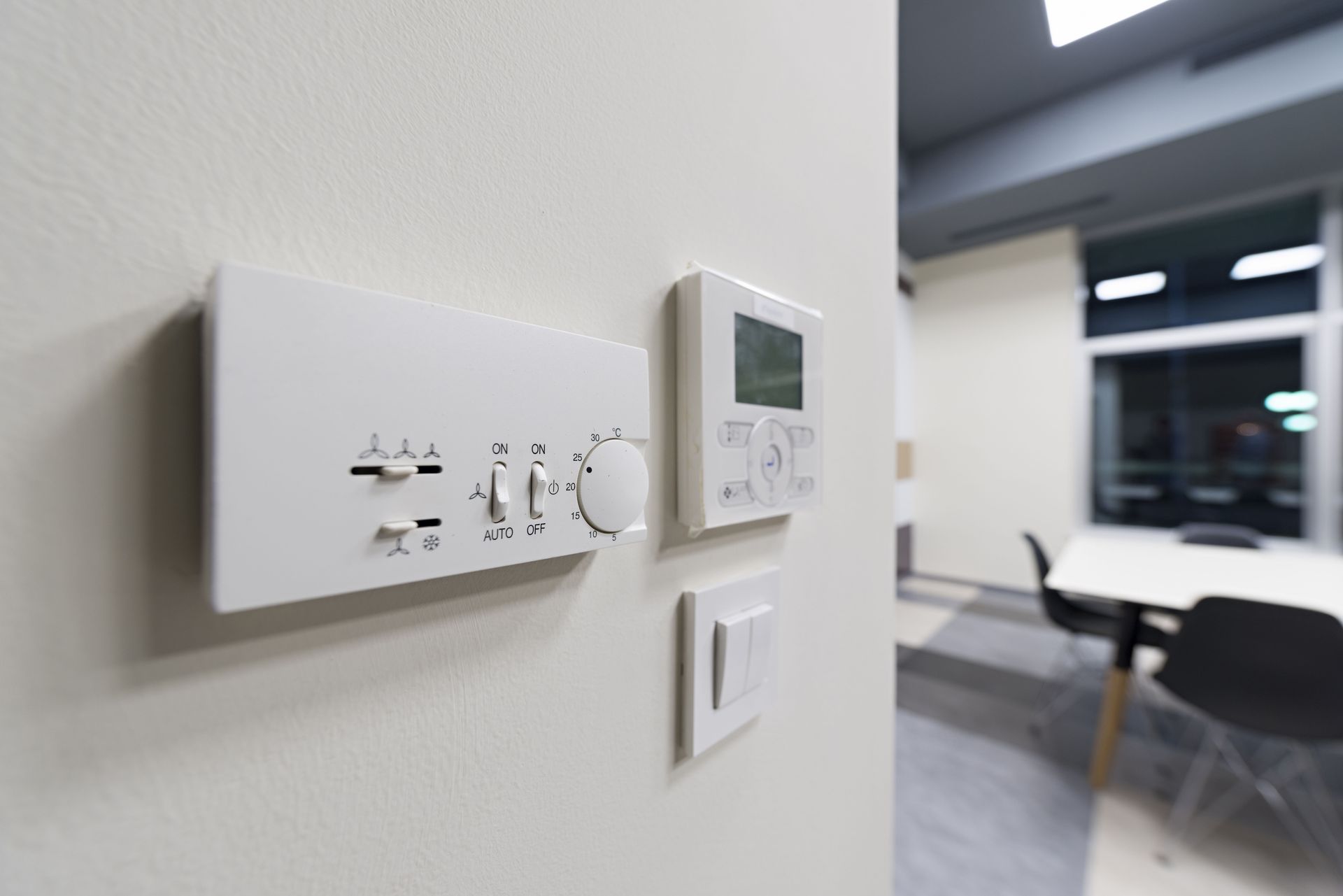
Modern automation platforms rely on networked controllers and computer-controlled systems that share data across the entire facility. This connectivity allows managers to access dashboards from a central workstation or, in many cases, remotely. Real-time alerts make it easier to respond to equipment failures, temperature swings, or unusual energy use before they disrupt operations. Many facilities also use controls from major manufacturers such as Johnson Controls, Carrier, Honeywell, and Daikin. A well-designed industrial building automation system can integrate equipment from multiple brands into one cohesive platform, so teams don't have to juggle separate interfaces for every system. Role-based access settings can also give operators, maintenance staff, and managers the views and controls that match their responsibilities.
Tracking Energy Use and Reducing Costs
One of the most valuable benefits of automation is visibility into how and when energy is used. Trend data shows which systems consume the most power, when demand peaks occur, and where equipment may be running unnecessarily. With this information, facility managers can fine-tune schedules, adjust setpoints, and prioritize upgrades that offer the greatest return. Some facilities see substantial reductions in utility expenses after integrating automation, especially when combined with efficient equipment like VFDs and high-efficiency boilers. Lower energy use also supports sustainability goals and can help organizations meet reporting requirements or corporate environmental targets. Over time, these insights make it easier to build a business case for future equipment upgrades.
Planning a Successful Automation Project
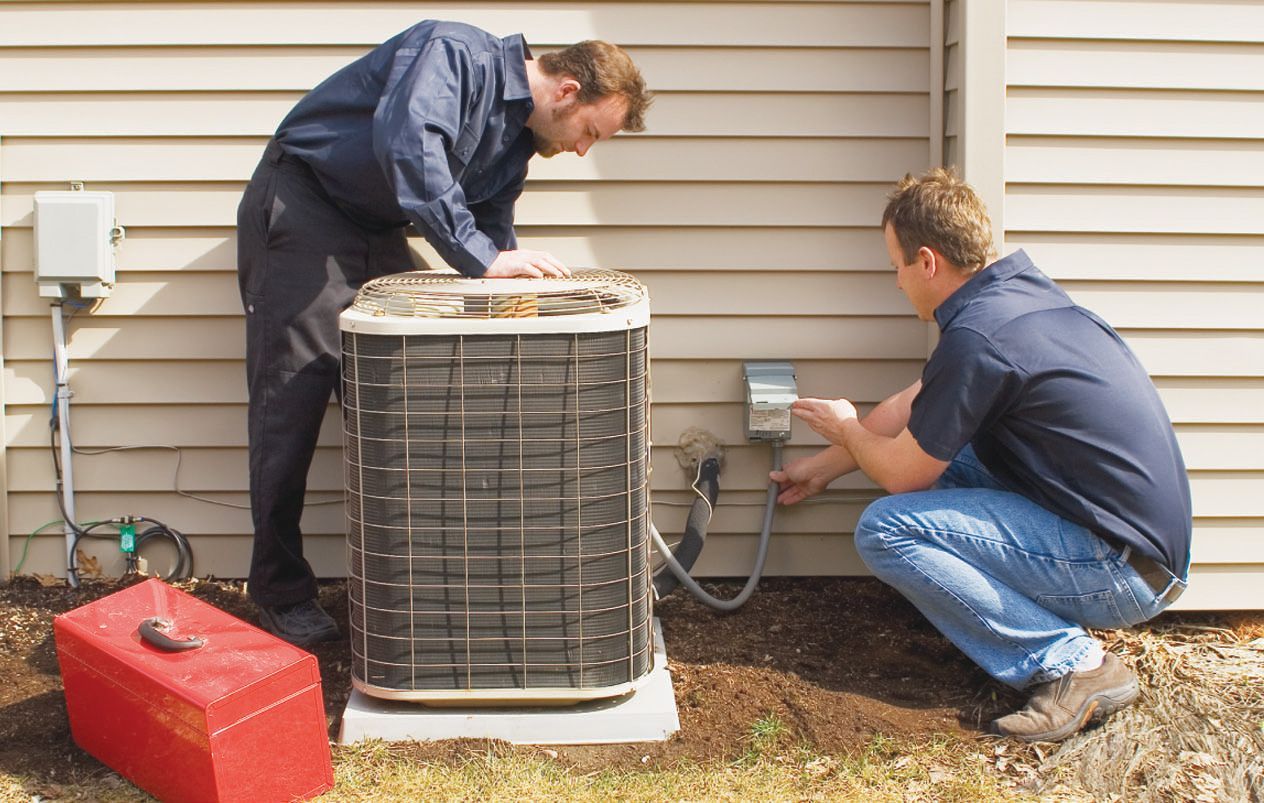
Every facility has different equipment, processes, and goals, so a successful project starts with a thorough site evaluation. Engineers review existing systems, identify integration opportunities, and determine which upgrades will deliver the most value. From there, the project moves through design, installation, programming, and commissioning to confirm that every component performs as intended. Training facility staff on how to use the system and read its reports is just as important as the installation itself. Ongoing service and periodic inspections help keep sensors calibrated, software updated, and equipment running at peak efficiency. When our team designs and supports your industrial building automation system, you gain a partner focused on protecting that investment for years to come.
At Scientific Building Automation, we've spent more than 50 years helping facilities across New Jersey, New York, Connecticut, and Pennsylvania improve comfort, efficiency, and reliability. Our engineering-based approach covers everything from the initial site evaluation through system commissioning. We design and install solutions that integrate HVAC equipment, fresh air make-up units, VRF systems, VFDs, high-efficiency boilers, Freon leak detection, and networked controls into one powerful platform. Our OSHA-trained technicians work with trusted manufacturers, including Johnson Controls, Carrier, Honeywell, and Daikin, to build an
industrial building automation system tailored to your operations. Contact Scientific Building Automation today to request your free estimate and see how automation can help your facility run smarter. We look forward to working with you.