November 14, 2026
Modern enterprise facilities rely heavily on interconnected digital infrastructure to maintain indoor environmental conditions, optimize energy consumption, and manage day-to-day operations. When operating as intended, commercial building automation works quietly behind the scenes, synchronizing heating, cooling, lighting, and ventilation without requiring constant oversight. However, like any sophisticated network of hardware, sensors, and software controllers, these systems experience component degradation, configuration drift, and communication lapses over time.
Because building operations often shift gradually, early operational discrepancies can easily go unnoticed. A slight sensor miscalibration or a single overridden schedule might seem minor in isolation, but unaddressed faults compound quickly. Left unchecked, small mechanical or electrical anomalies escalate into system-wide inefficiencies, unmanageable utility spikes, and premature equipment wear. Recognizing the warning signs of system distress allows facility managers, operations directors, and property owners to intervene before critical systems fail. Identifying key indicators helps teams maintain reliable building performance throughout the life cycle of their infrastructure.
Evaluating Key Warning Indicators
To ensure peak performance across complex operations, facility stakeholders must monitor both environmental feedback and system communications. Below are seven fundamental indicators that your platform requires professional assessment and remediation.
1. Experiencing Inconsistent Temperature Fluctuations
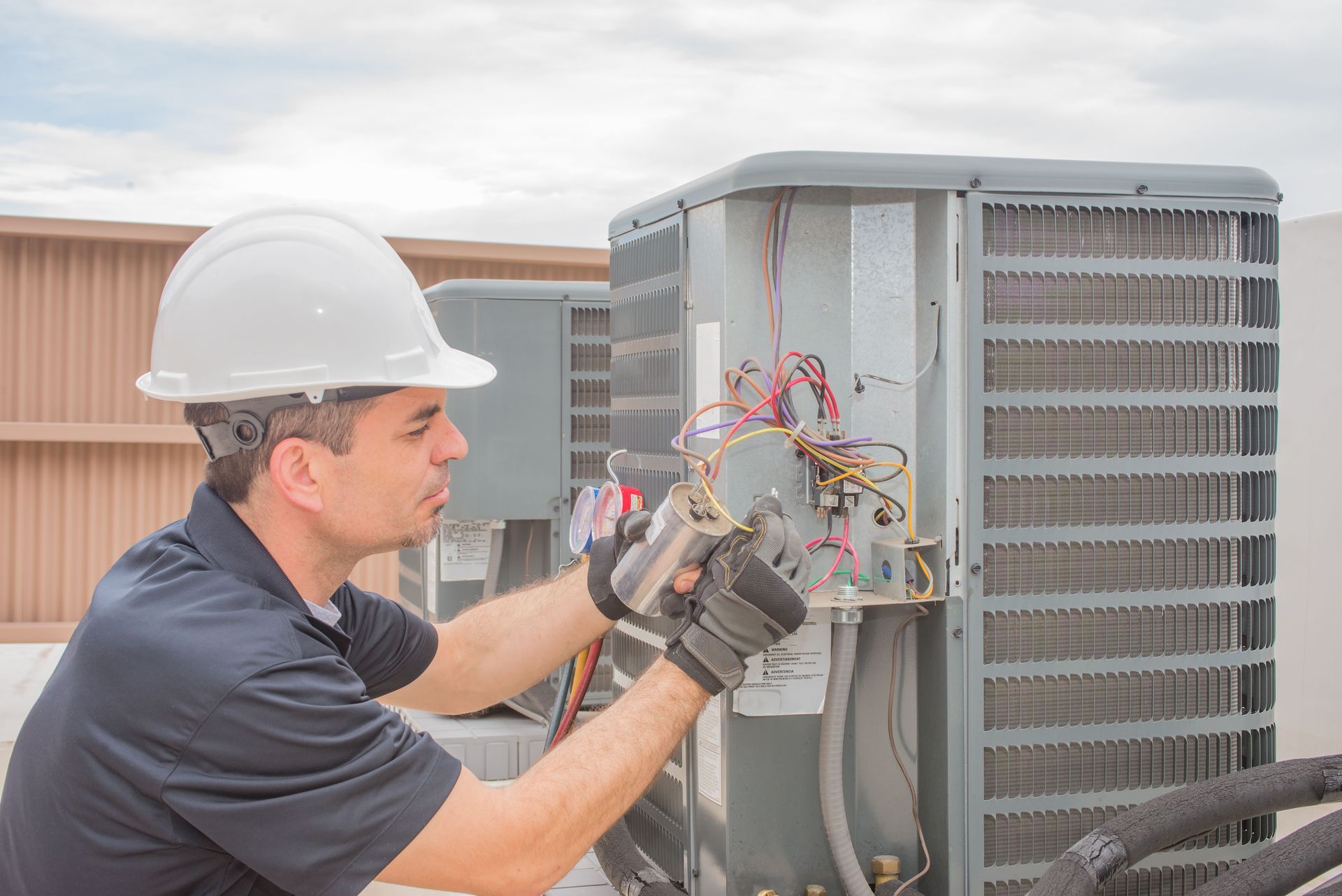
One of the most immediate indicators of operational distress is recurring inconsistency in zone temperatures. While occasional temperature variances can occur during extreme outdoor weather events, persistent hot and cold spots across occupied spaces point to deeper mechanical or control failures. These fluctuations frequently stem from failing variable air volume terminal boxes, stuck mechanical dampers, or drifted temperature sensors sending erroneous feedback to central controllers.
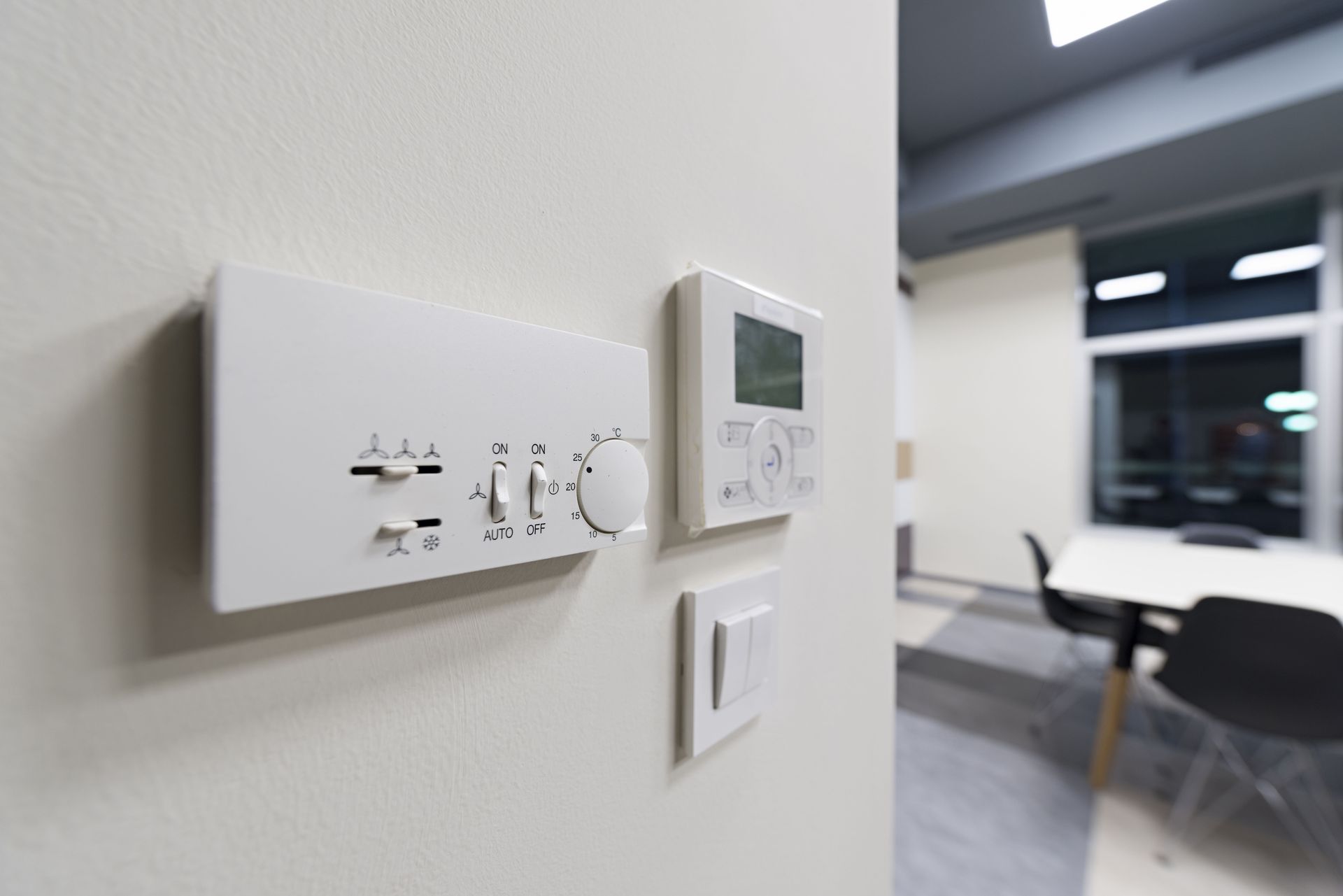
When central processors receive false temperature readings, they attempt to compensate by oversupplying conditioned air to the wrong areas. This dynamic not only degrades occupant comfort and lowers productivity but also forces thermal distribution equipment to work against itself. A well-maintained platform maintains precise setpoint tolerances; consistent drift outside established thresholds is a clear indication that sensors, actuators, or logical programming require calibration.
2. Observing Unexplained Energy Consumption Increases
A sudden or gradual rise in utility expenditures without corresponding changes in tenant density, weather severity, or operational hours indicates declining operational efficiency. Within a modern facility, commercial building automation is designed to curb unnecessary consumption by matching asset operation directly to current demand. When mechanical components fail or control sequences fall out of alignment, efficiency drops rapidly.
According to Mordor Intelligence, the commercial building automation systems market across the United States accounts for $22.53 billion in 2026 and is anticipated to expand at a compound annual growth rate of 6.12% through 2031. This sustained market expansion underscores the vital role advanced automation plays in controlling utility expenses and modernizing infrastructure nationwide. When your power consumption trends upward despite stable external conditions, your facility is likely losing the efficiency advantages that automated operations provide. Chilled water loops running unnecessarily, air handlers operating continuously at peak output, and simultaneous heating and cooling cycles are common culprits behind unexplained utility increases.
3. Managing Persistent Manual Control Overrides
In many facilities, routine maintenance activities or temporary comfort complaints lead operators to implement manual overrides. A technician might lock a supply fan at full speed to handle an unexpected heat load or manually force an outside air damper open during high occupancy. While overrides serve a temporary operational function, leaving them active indefinitely circumvents the core purpose of automation.
Over time, accumulated overrides create disconnected sequences where individual machines run in complete isolation from the central logic. If your control interface displays dozens of active manual overrides, your commercial building automation network is no longer operating autonomously. Instead, it is functioning as an uncoordinated collection of manually operated assets. Restoring automated sequences, removing software locks, and correcting the root mechanical or environmental issues that prompted the overrides in the first place are critical steps in restoring system integrity.
4. Receiving Frequent Nuisance Alarm Notifications
Alarm management architectures are engineered to alert building engineers to legitimate mechanical faults, safety hazards, and significant parameter breaches. However, when an automation platform begins generating continuous, repetitive, or low-priority alarms, facility personnel quickly develop alarm fatigue. When operators become inundated with hundreds of notifications daily, critical alerts can easily be dismissed or ignored.
Nuisance alarms often indicate malfunctioning sensor probes, overly tight alarm thresholds, or logic errors inside field controllers. For example, a pressure transmitter with electrical noise or a loose communication terminal may flicker between normal and alarm states every few seconds. An excessive volume of alarm logs signals that the control network requires recalibration, sensor replacement, and alarm threshold rebalancing to restore actionable operational visibility.
5. Detecting Sluggish User Interface Performance
The software workstation serves as the primary window into your physical plant. When operating normally, system interfaces render floor plans, load historical trend data, and report real-time field statuses within seconds. If administrative workstations exhibit persistent lag, frequent software crashes, or unresponsive supervisory pages, the underlying operational infrastructure may be compromised.
Sluggish software performance can stem from multiple internal bottlenecks. Excessive communication traffic on field buses, corrupted databases, outdated software revisions, and overloaded field controllers all contribute to interface latency. Because effective management relies on accurate real-time visibility, interface degradation prevents operators from responding swiftly to operational anomalies, making a comprehensive diagnostic review necessary.
6. Confronting Persistent Interoperability and Communication Lags
A complete commercial building automation deployment brings diverse operational assets together into a cohesive network. Chillers, boilers, rooftop equipment, variable frequency drives, and lighting panels must share operational telemetry across standard protocols such as BACnet, Modbus, or LonWorks. If central controllers frequently drop connection with field devices, operational communication breaks down.
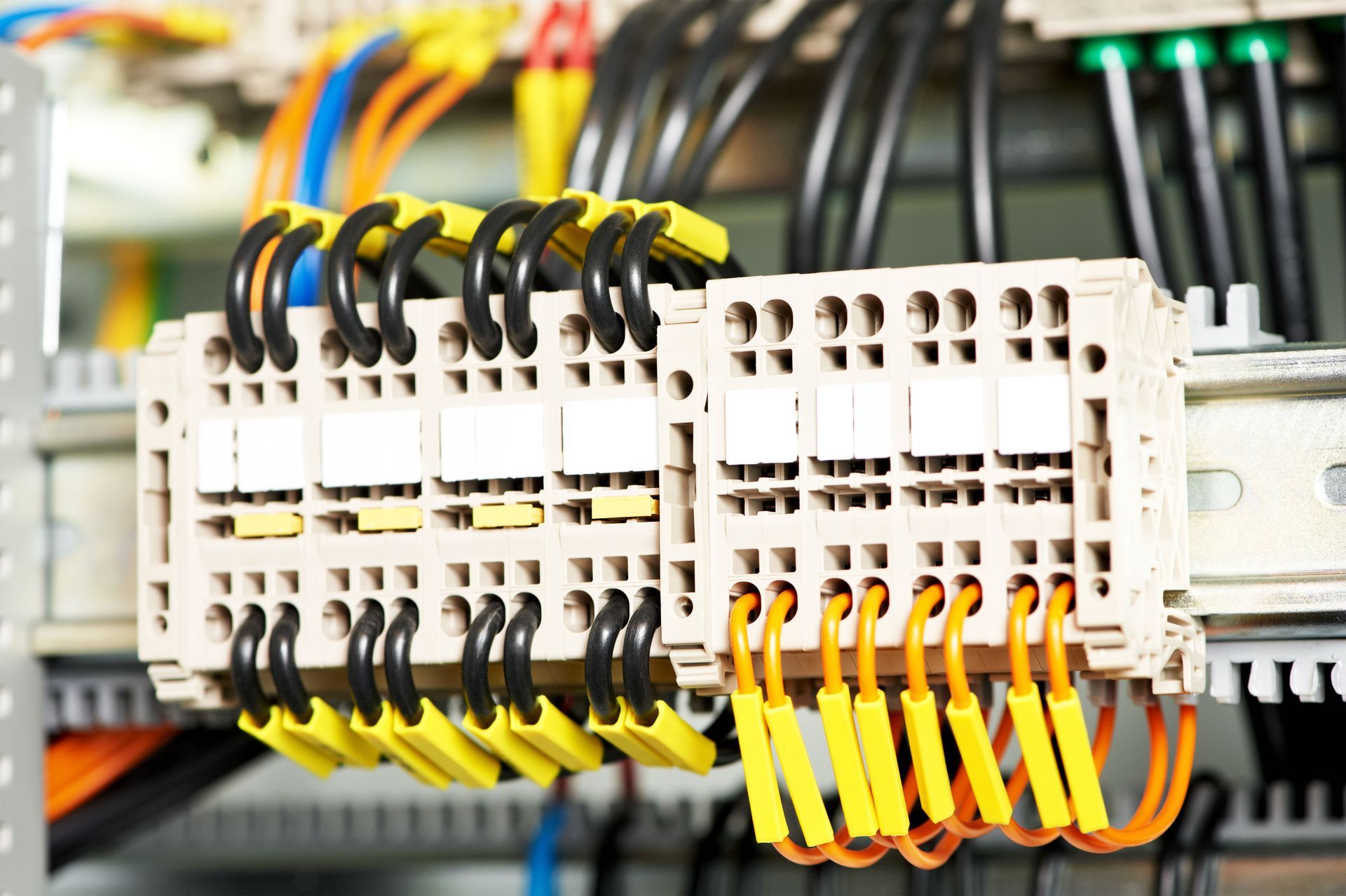
Dropped communication packets and intermittent network offline messages typically point to wiring degradation, improper network termination, electrical interference, or addressing conflicts. When a supervisory controller loses contact with downstream field devices, it defaults to failsafe modes that often force equipment to run continuously at maximum capacity. Ensuring steady data flow across all subnetworks is essential for stable, long-term building performance.
7. Operating Outdated Hardware and Legacy Components
Field controllers, input and output modules, and supervisory processors have defined life spans. As electronic hardware reaches obsolescence, processing capabilities slow down and manufacturers cease issuing firmware updates, leaving networks exposed to operational disruption. Finding replacement parts for discontinued hardware becomes increasingly difficult, often requiring extended lead times that delay critical repairs.
Furthermore, legacy automation hardware struggles to interface smoothly with contemporary energy-management software, cloud analytics, and modern mechanical equipment. If your facility continues to rely on control hardware that has exceeded its practical service life, routine adjustments become difficult and operational risk escalates. Upgrading obsolete hardware to current control standards ensures that your facility maintains compatibility with modern building technologies and continues to operate smoothly.
Sustaining Long-Term Building Performance
Recognizing these operational indicators is an essential first step toward maintaining a reliable, comfortable, and efficient building environment. Rather than waiting for a complete component breakdown, addressing system drift through systematic evaluations, sensor calibrations, and network optimizations helps preserve capital assets and stabilize operational expenditures. Regular attention to system alerts, physical field components, and digital infrastructure ensures that your
commercial building automation architecture responds precisely to dynamic facility demands.
Modern commercial facilities require ongoing diligence to maintain alignment between physical HVAC assets, electrical controls, and automation logic. By partnering with experienced system specialists, facility executives can pinpoint underlying deficiencies, update aging hardware, and restore automated efficiency across their properties. If your property is demonstrating any of these warning signs, reach out to the specialists at Scientific Building Automation to arrange a comprehensive system evaluation for your facility.